What Chimney Liner Repair in Ridgewood, NJ Actually Costs and How to Hire the Right Contractor
Most homeowners in Ridgewood don’t think about their chimney liner until something goes wrong.
A failed clay tile flue, a cracked stainless steel insert, or a gas appliance venting issue gets flagged during an inspection, and suddenly you’re looking at a repair estimate with a wide range of numbers and no clear way to know whether you’re being treated fairly.
This guide explains what chimney liner repair actually involves, what drives the price up or down in Bergen County, and the questions you should ask before hiring a contractor.
Why the Chimney Liner Is the Part That Really Matters
The chimney liner is the inner sleeve that contains combustion gases, channels them safely out of your home, and protects the surrounding masonry from excessive heat and corrosion.
NFPA 211, the standard most New Jersey municipalities reference in their building codes, requires a properly sized and intact liner for all wood-burning fireplaces and fuel-burning appliances.
Without a properly functioning liner, combustion byproducts such as carbon monoxide can seep through damaged mortar joints into living spaces, while excessive heat transfer increases the risk of a chimney fire.
Many Bergen County homes especially those built between the 1940s and 1970s still have their original clay tile liners.
After decades of seasonal expansion and contraction, it’s common for CSIA Level 2 inspections to uncover spalling, cracked flue tiles, or even collapsed liner sections.
If you’ve recently installed a gas insert or high-efficiency furnace, there’s also a good chance the original liner is no longer the correct size for the appliance, creating an entirely different repair requirement.
What the Repair Process Actually Looks Like
Chimney liner repair isn’t a single service.
The appropriate repair depends on both the condition of the chimney and the type of liner currently installed.
For clay tile systems, minor mortar joint deterioration can sometimes be repaired using high-temperature sealants.
More significant damage such as cracked tiles or collapsed liner sections typically requires one of two solutions:
- A stainless steel chimney liner
- A cast-in-place chimney liner system
A stainless steel liner involves installing either a flexible or rigid stainless steel sleeve inside the existing flue.
Cast-in-place systems create a new chimney liner by forming a cement-like material inside the existing chimney.
Although cast-in-place systems require more labor and generally cost more, they also reinforce deteriorated masonry and can be the best solution for offset flue configurations commonly found in older Ridgewood Colonial homes.
For damaged stainless steel liners, repairs may involve replacing individual sections or installing an entirely new liner if corrosion or separation is extensive.
Gas furnaces and water heaters typically use smaller-diameter aluminum or stainless steel liners that must be sized according to both the appliance manufacturer’s specifications and applicable New Jersey building codes.
What This Service Costs in the Ridgewood Area
Costs vary considerably, and any contractor willing to provide a firm quote over the phone without first inspecting the chimney deserves careful scrutiny.
That said, these are realistic price ranges for Bergen County.
A standard stainless steel flexible liner installation for a single-story fireplace generally ranges from $1,800 to $3,200, depending on:
- Chimney height
- Flue length
- Liner diameter
- Stainless steel gauge
- Whether the estimate includes a new chimney cap and connection components
Longer chimney systems in larger homes throughout Ho-Ho-Kus, Wyckoff, or Mahwah naturally require more material and labor, increasing the overall cost.
Cast-in-place chimney liner systems generally begin around $2,500 and can exceed $5,000, depending on chimney size and complexity.
Because the installation process is labor intensive, most projects require approximately two days to complete.
Gas appliance liner conversions typically range from $800 to $1,800, largely because the liners are smaller in diameter and often involve shorter chimney runs.
Minor clay tile repairs, where only isolated sections require attention, may cost between $400 and $900.
However, a reputable contractor should clearly explain when a partial repair is appropriate and when complete relining represents the safer long-term solution.
Credentials That Signal a Contractor Worth Trusting
One of the most respected certifications in the chimney industry is the CSIA Certified Chimney Sweep credential issued by the Chimney Safety Institute of America.
Certification requires passing a comprehensive technical examination and completing continuing education.
National Fireplace Institute (NFI) certification is also highly valuable, particularly for contractors installing gas appliances or chimney liners serving gas-burning equipment.
For certain structural chimney repairs in New Jersey, contractors may also need to be registered as Home Improvement Contractors through the New Jersey Division of Consumer Affairs.
Ask for the registration number.
Professional contractors should be able to provide it without hesitation.
Questions to Ask Before Work Begins
Ask these questions directly and pay attention to how thoroughly they’re answered.
What type of chimney liner do you recommend for my appliance, and why?
An experienced contractor should explain the recommendation based on your appliance, chimney configuration, and venting requirements do not offer the same solution for every home.
Will I receive a written scope of work before paying a deposit?
If the answer is no, consider another contractor.
Is the liner UL-listed?
For stainless steel chimney liners, UL 1777 remains the recognized industry standard.
A contractor unfamiliar with this certification should raise concerns.
What does the warranty cover?
Many manufacturers offer material warranties ranging from 20 years to lifetime coverage, while labor warranties vary from contractor to contractor.
Will permits be obtained if they’re required?
Certain municipalities throughout New Jersey require permits for chimney liner installations.
A contractor suggesting you skip permits isn’t protecting your interests.
Who will actually perform the work?
Ask whether the installation will be completed by a certified technician or subcontracted to another company.
Can you provide recent local references?
A contractor regularly working throughout Ridgewood, Glen Rock, Fair Lawn, and surrounding Bergen County communities should have recent customer references available.
Red Flags That Should Make You Pause
Be cautious if someone arrives at your home claiming they noticed chimney damage while driving past.
This remains a well-known sales tactic within the chimney industry.
Other warning signs include:
- Large cash-only discounts
- High-pressure sales tactics emphasizing immediate danger
- Estimates without a written breakdown of materials and labor
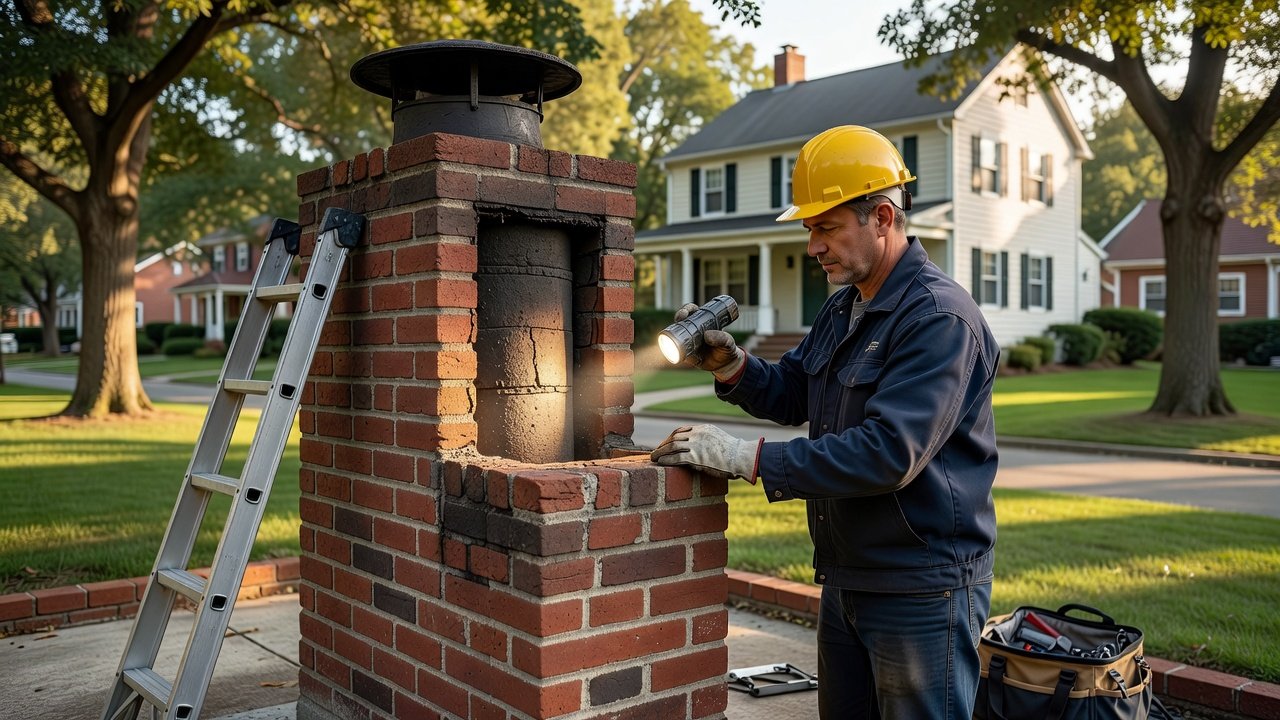
A reputable chimney contractor should also provide photographs or video footage from inside the flue.
Modern chimney inspection cameras are standard equipment.
If someone claims your chimney needs extensive repairs but cannot show you the evidence, seek a second opinion.
Comparing Estimates the Right Way
When reviewing multiple estimates, compare each proposal line by line.
Look closely at:
- Stainless steel grade
- Liner gauge
- Total liner length
- Chimney cap inclusion
- Connector components
- Removal of existing liner materials
- Warranty coverage
Two estimates with very different prices may involve completely different products.
For example, one contractor may specify a UL-listed 304-grade stainless steel liner, while another proposes a lighter-duty liner with a shorter warranty.
Price alone rarely tells the full story.
Lower estimates sometimes reflect lower-quality materials, reduced labor, or contractors carrying limited insurance coverage.
Before hiring anyone, ask whether their liability insurance specifically covers chimney liner installation work.
Some general liability policies exclude it.
Get a Professional Inspection Before You Decide
If your Ridgewood home is due for a chimney inspection or you’ve already received a chimney liner repair estimate you’re unsure about Ridgewood Chimney offers free chimney inspections for homeowners throughout Bergen County.
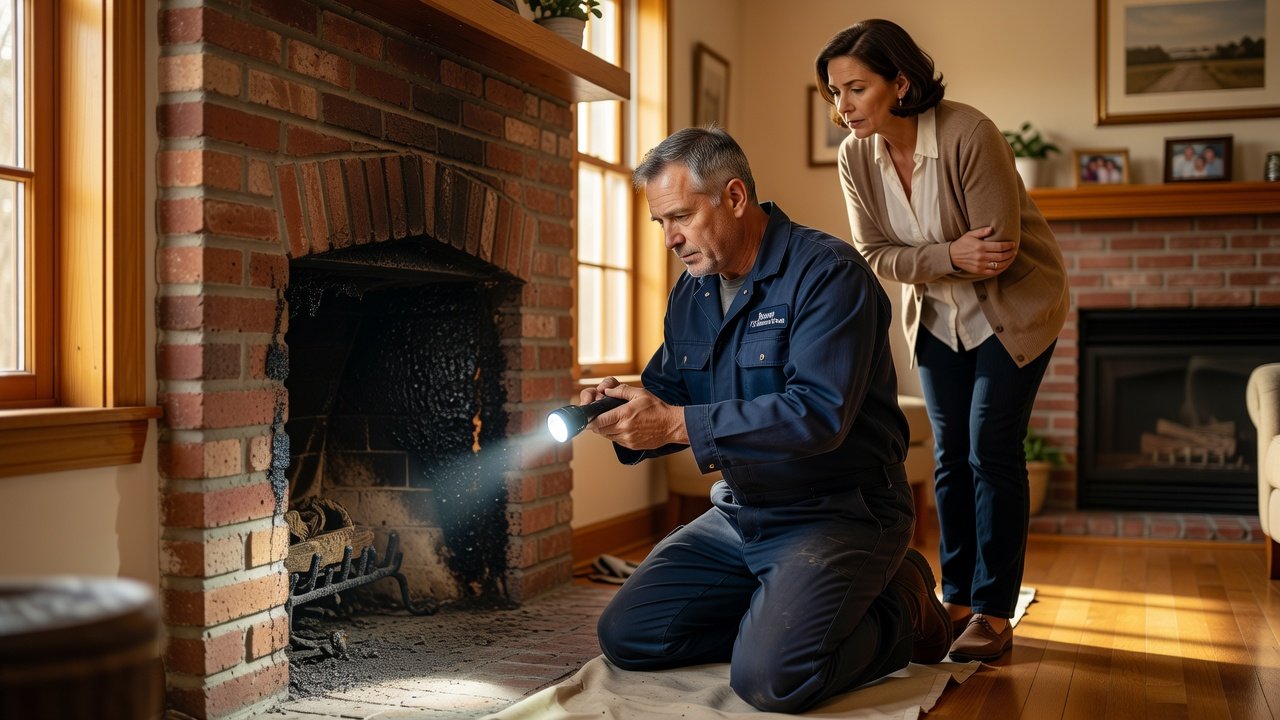
A CSIA-certified technician will inspect your chimney, show you the camera footage, explain exactly what was found, and walk you through your repair options without pressure.
Contact us today to schedule your inspection and make your decision with confidence.
Our services
Chimney Sweep Cleaning Repair Ridgewood NJ in Glen Rock · Chimney Cap Installation in Ridgewood, NJ · Reliable Chimney Care in Orange · Reliable Chimney Care in Mission Viejo · Reliable Chimney Care in Los Alamitos · Reliable Chimney Care in Lake Forest
Areas we serve
Ridgewood, NJ · Ridgewood, NJ · Ridgewood, NJ · Ridgewood, NJ · Ridgewood, NJ · Ridgewood, NJ · All areas →