Is Your Fireplace Trying to Tell You Something? Here’s How to Read the Signs
Most homeowners in Ridgewood think about fireplace cleaning once a year, usually when the weather turns and they want to light the first fire of the season. By then, some warning signs may have been sitting in plain sight for months. A little soot here or a faint odor there can be easy to ignore, but these signs may indicate that your fireplace or chimney system needs attention before regular use resumes.
This guide explains what those warning signs can mean, what a professional fireplace cleaning involves, and when it’s time to schedule an inspection.
Why Fireplace Cleaning in Bergen County Matters
Ridgewood and neighboring Bergen County communities including Wyckoff, Waldwick, Mahwah, Paramus, Ho-Ho-Kus, Glen Rock, and Ramsey have many homes with masonry fireplaces that have been in service for decades.
The National Fire Protection Association (NFPA) recommends that chimneys, fireplaces, and vents be inspected at least once a year and cleaned when necessary. Regular inspections help identify developing problems before they become more costly repairs.
One of the primary concerns is creosote, a natural byproduct of burning wood. As creosote accumulates inside the flue, it can increase the risk of chimney fires if it is not removed through proper cleaning. The amount and type of buildup depend on fireplace usage, fuel quality, and burning conditions.
Warning Signs You Can See, Hear, or Smell
These are some of the most common signs that your fireplace or chimney may need professional attention.
White Staining on the Exterior Chimney
A white, chalky residue known as efflorescence usually indicates that moisture is moving through the masonry and carrying mineral salts to the surface.
While the staining itself is not harmful, it often signals water intrusion that can gradually damage mortar joints and masonry if left unaddressed.
A Strong Smoky Odor During Warm Weather
If you notice a persistent smoky or creosote odor coming from the fireplace during warm or humid weather, creosote deposits inside the chimney may be contributing to the smell.
A professional inspection can determine whether cleaning or additional maintenance is recommended.
Smoke Entering the Room During a Fire
Smoke should move smoothly up the chimney.
If smoke consistently enters the room, possible causes include restricted airflow, creosote buildup, chimney obstructions, or drafting issues. Because several conditions can produce similar symptoms, a professional inspection is the safest way to identify the cause.
Dark Staining Above the Fireplace Opening
Dark discoloration around the fireplace opening or mantel may indicate that smoke has been escaping into the room instead of venting properly.
This may be related to drafting issues, smoke chamber deterioration, or damper problems that should be evaluated by a chimney professional.
Cracks Inside the Firebox
Small surface cracks in refractory mortar may develop over time with normal use.
However, larger cracks, deteriorating mortar, loose bricks, or missing sections of the firebox should be inspected, as these conditions can affect fireplace performance and safety.
A Damper That Doesn’t Operate Properly
The damper should open and close smoothly.
If it sticks, will not fully open, or cannot close completely, it should be inspected before using the fireplace. A properly functioning damper helps support safe fireplace operation and energy efficiency.
Pieces of Tile or Debris in the Firebox
Finding clay tile fragments, mortar pieces, or unusual debris inside the firebox may indicate deterioration somewhere within the chimney system.
Because these materials can originate from several components, a professional inspection is recommended to determine the source.
Water Sounds or Signs of Moisture
Dripping sounds, water stains, or moisture around the fireplace may indicate problems with the chimney crown, flashing, chimney cap, or masonry.
Addressing water intrusion early can help reduce the likelihood of more extensive masonry repairs over time.
What a Professional Fireplace Cleaning Typically Includes
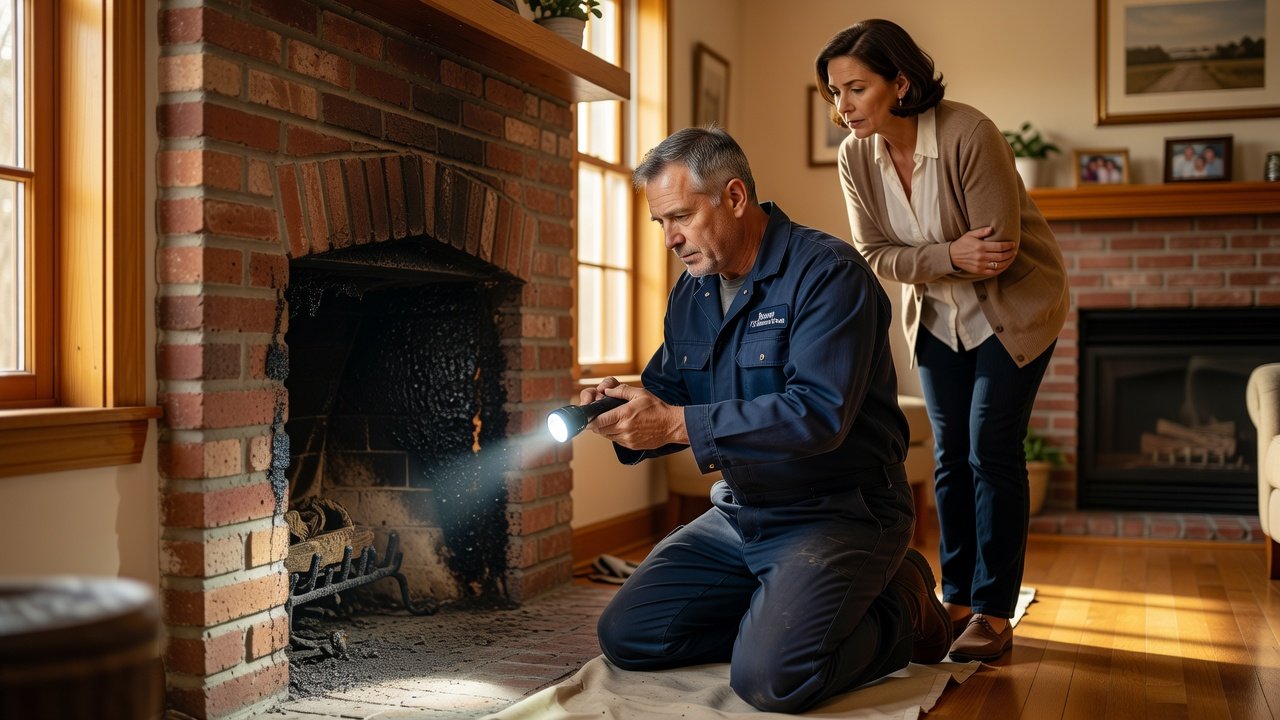
A professional fireplace cleaning generally takes between 45 minutes and two hours, depending on the fireplace, chimney configuration, and overall condition.
The process typically includes:
- Protecting the work area with drop cloths and specialized vacuum equipment.
- Inspecting the firebox, damper, smoke chamber, and visible portions of the chimney.
- Cleaning the flue using professional chimney brushes and equipment.
- Removing accumulated soot, ash, and creosote when appropriate.
- Examining accessible components for signs of wear or damage.
- Discussing inspection findings and any recommended maintenance or repairs.
If excessive creosote buildup or structural concerns are identified, additional services may be recommended before the fireplace is used again.
What Fireplace Cleaning Typically Costs
For a standard single-fireplace cleaning with a Level 1 inspection, homeowners in Ridgewood and surrounding Bergen County communities typically pay approximately $175 to $275.
A Level 2 inspection which may be recommended after a chimney event, during certain real estate transactions, or when significant changes have occurred generally costs more because it involves a more comprehensive evaluation.
Repair costs vary depending on the condition of the chimney and the scope of work required.
Pricing is provided as a general estimate only and may vary based on chimney size, accessibility, condition, inspection findings, and local market rates.
Schedule Your Fireplace Inspection Before the Heating Season
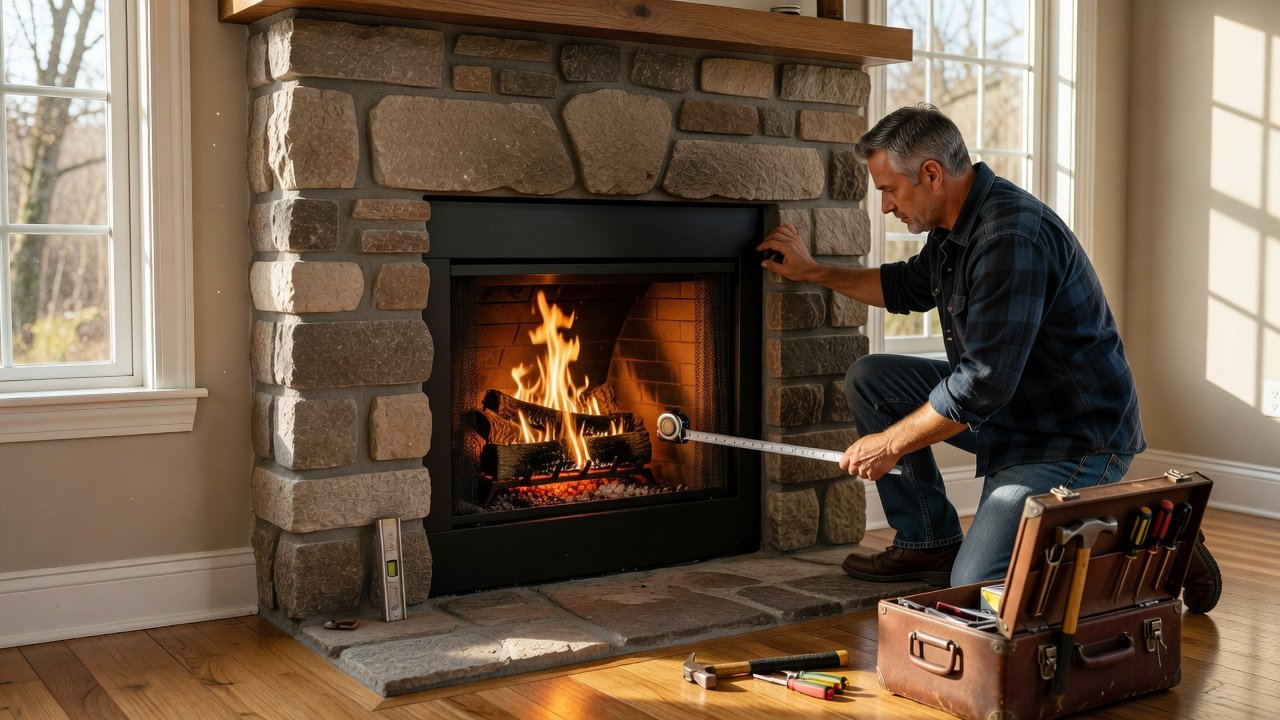
If you’ve noticed any of these warning signs or if it has been more than a year since your last chimney inspection now is an excellent time to schedule a professional evaluation.
Ridgewood Chimney proudly serves homeowners throughout Ridgewood, Wyckoff, Waldwick, Mahwah, Paramus, Ho-Ho-Kus, Glen Rock, Ramsey, and surrounding Bergen County communities. Our experienced, CSIA-certified technicians provide professional fireplace cleaning, chimney inspections, and honest recommendations with no high-pressure sales.
Contact us today to schedule your free chimney inspection and learn what your fireplace needs before the heating season begins.
Disclaimer: Inspection recommendations, cleaning frequency, repair needs, and pricing vary depending on fireplace usage, chimney condition, fuel type, and individual circumstances. A professional inspection is the best way to determine the appropriate maintenance schedule for your fireplace and chimney.
Our services
Chimney Repair in Ridgewood, NJ · Chimney Repair in Ridgewood · Chimney Repair in Ridgewood, NJ · Chimney Repair in Ridgewood · Chimney Repair in Ridgewood, NJ · Stainless Steel Chimney Liners for Ridgewood, NJ Homes
Areas we serve
Ridgewood, NJ · Ridgewood, NJ · Ridgewood, NJ · Ridgewood, NJ · Ridgewood, NJ · Ridgewood, NJ · All areas →