What a Chimney Inspection in Ridgewood, NJ Actually Costs and What You Can Skip
Most homeowners in Ridgewood don’t think about scheduling a chimney inspection until something seems wrong. Maybe smoke starts drifting back into the living room, the fireplace develops an unusual odor, or a home inspector recommends further evaluation before a sale. By then, a relatively inexpensive maintenance visit can sometimes turn into a much larger repair.
The good news is that not every aspect of chimney care requires professional service. Some routine maintenance can safely be handled yourself, while other parts of the system require specialized equipment and training. Knowing the difference helps you spend money where it actually matters.
Fireplace Maintenance You Can Safely Handle Yourself
Homeowners can perform several basic maintenance tasks that help keep a fireplace in good condition between professional inspections.
Inspect the Chimney Exterior
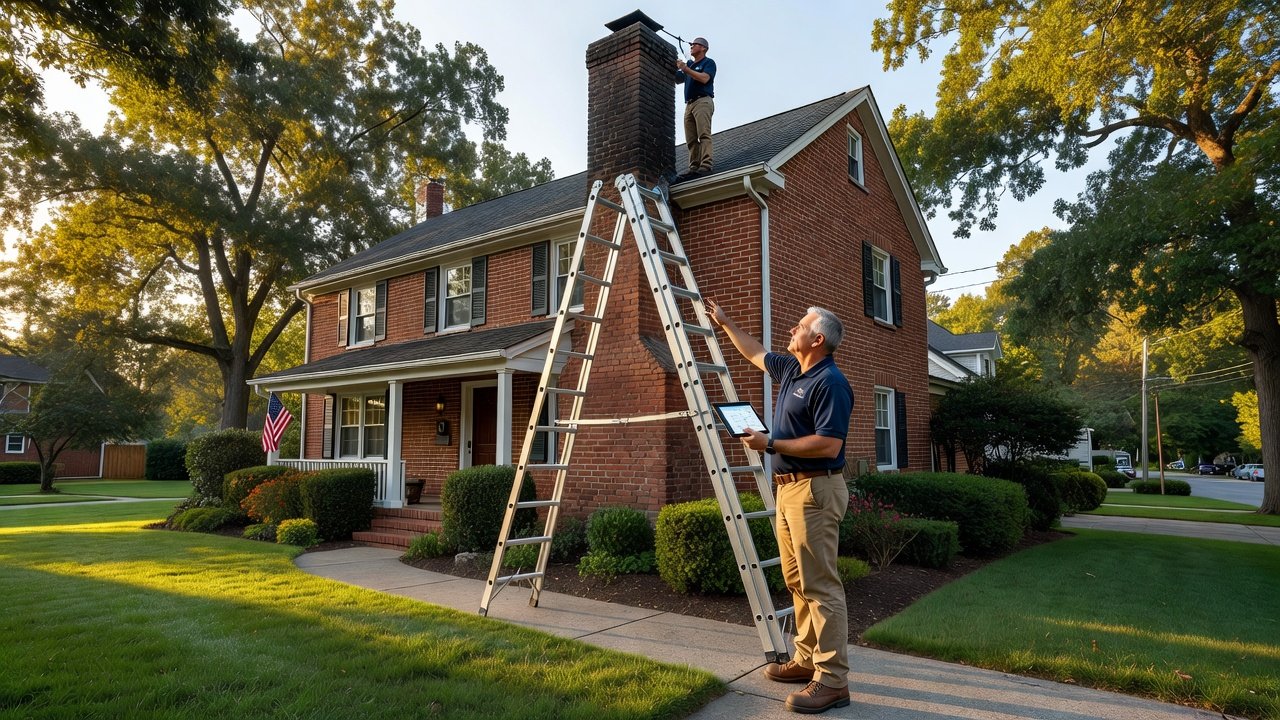
Walk around your home periodically and look at the chimney from ground level.
Check for:
- Cracked mortar joints
- Missing or damaged bricks
- Visible cracks in the chimney crown
- Leaning or shifting masonry
- White staining (efflorescence)
Binoculars can make it easier to inspect higher portions of the chimney without climbing onto the roof.
Examine the Firebox
Open the fireplace and inspect the firebox walls.
Look for:
- Loose firebrick
- Missing mortar
- Large cracks
- Rust on the damper
- Excessive soot buildup
While these observations won’t diagnose hidden chimney problems, they can help identify visible issues worth discussing during an inspection.
Remove Fireplace Ash
Allow ashes to cool for at least 72 hours before removing them.
Use:
- A fireplace shovel
- A metal ash container with a tight-fitting lid
Removing excess ash helps improve airflow while keeping the firebox clean.
Check the Chimney Cap
If your roof is safely accessible or if you can view the chimney from a nearby window or with binoculars—inspect the chimney cap.
Look for:
- Missing screens
- Loose mounting hardware
- Rust
- Bird nests
- Debris blocking airflow
Properly functioning chimney caps help prevent rain, animals, and leaves from entering the flue.
Replace a Damaged Chimney Cap
Standard chimney caps are relatively inexpensive and, for homeowners comfortable working safely on low-slope roofs, replacement may be a manageable DIY project. However, if roof access feels unsafe or the chimney requires additional repairs, it’s best to leave the work to a professional.
Where Professional Chimney Service Becomes Essential
While routine maintenance is helpful, several parts of the chimney system cannot be evaluated without specialized equipment.
Chimney Liner Inspections
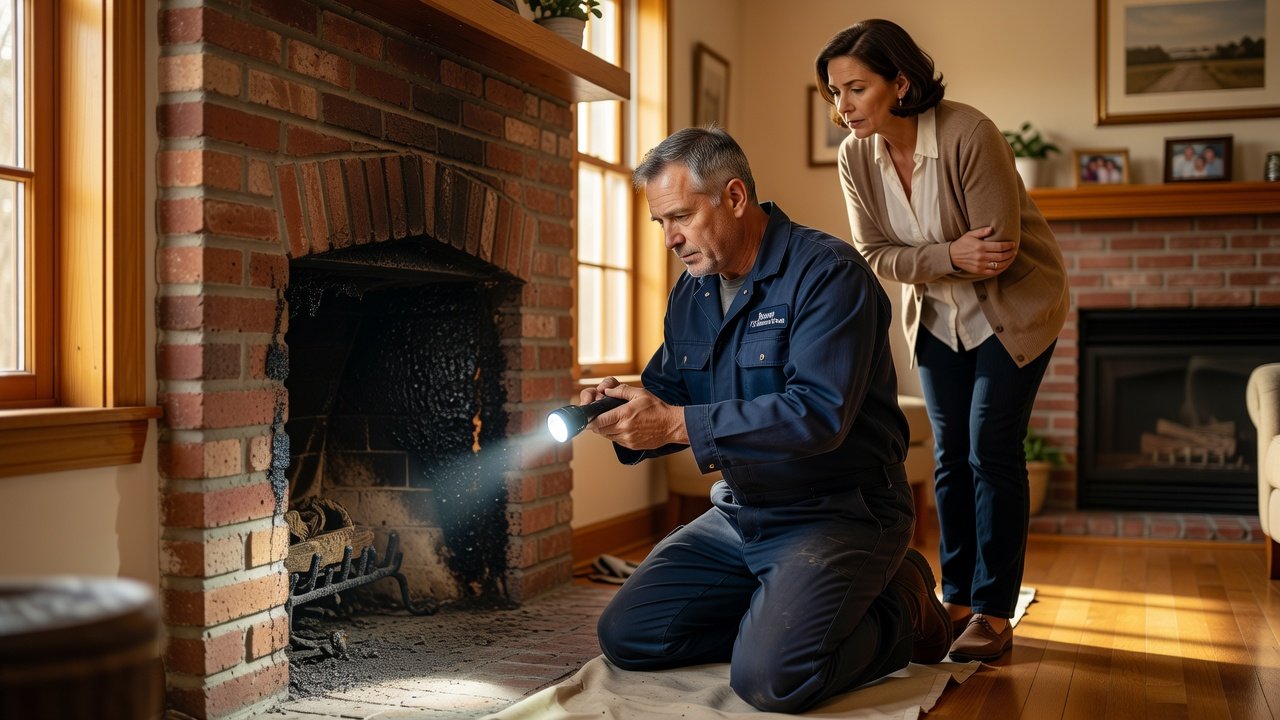
The interior chimney liner is largely hidden from view.
Professional inspections use specialized cameras to evaluate:
- Clay tile liners
- Stainless steel liners
- Mortar joints
- Cracks
- Spalling
- Obstructions
Damaged liners can allow excessive heat or combustion gases to escape into surrounding structures.
Professional Chimney Sweeping
Although homeowner chimney brush kits are available, professional chimney cleaning involves much more than simply brushing soot from the flue.
Professional equipment typically includes:
- Rotary cleaning systems
- Specialized chimney brushes
- HEPA-filtered vacuum systems
- Camera inspection equipment
These tools remove creosote while minimizing dust inside the home.
Masonry Repairs
Chimney masonry repairs require specialized materials and techniques.
Common professional services include:
- Tuckpointing
- Crown repair
- Brick replacement
- Waterproofing
- Chimney rebuilding
Using incorrect mortar or repair materials can shorten the lifespan of the chimney, particularly during northern New Jersey’s freeze-thaw winters.
Appliance Installations and Code Compliance
Installing:
- Fireplace inserts
- Wood stoves
- Gas appliances
- New chimney liners
often requires compliance with local building codes and permitting requirements. Professional installation helps ensure the system operates safely and meets current standards.
What Does a Chimney Inspection Cost in Ridgewood?
For most homeowners throughout Ridgewood and surrounding Bergen County communities, pricing generally falls within these ranges:
| Service | Typical Price |
|---|---|
| Level 1 Chimney Inspection | $125–$200 |
| Chimney Cleaning with Inspection | $250–$350 |
| Level 2 Camera Inspection | $200–$350 |
Actual pricing depends on several factors.
What Increases Inspection Costs?
Certain conditions naturally require additional time and equipment.
These include:
- Multiple chimney flues
- Tall or difficult-to-access chimneys
- Steep rooflines
- Heavy creosote accumulation
- Deferred maintenance
- Older chimney systems requiring more detailed evaluation
Homes throughout Ridgewood’s historic neighborhoods often contain original masonry chimneys that benefit from more comprehensive inspections.
How Homeowners Can Keep Costs Down
Regular maintenance remains the best way to avoid expensive repairs.
Helpful practices include:
- Scheduling annual inspections
- Burning properly seasoned firewood
- Keeping the firebox clean
- Addressing small masonry issues promptly
- Installing and maintaining a chimney cap
- Avoiding long gaps between cleanings
Early detection often prevents relatively minor issues from developing into major liner or masonry repairs.
Why Annual Inspections Matter
Routine inspections provide an opportunity to identify hidden issues before they become expensive structural problems. Small cracks, deteriorating mortar, moisture intrusion, or early creosote accumulation are often much easier and less expensive to address when discovered early. Waiting until smoke enters the room or visible damage appears frequently means the underlying problem has already progressed.
Frequently Asked Questions
How much does a chimney inspection cost in Ridgewood?
Most homeowners pay between $125 and $200 for a standard Level 1 inspection. Chimney cleaning combined with an inspection generally ranges from $250 to $350.
Can I inspect my own chimney?
Homeowners can safely inspect visible exterior masonry, clean the firebox, remove ashes, and check the chimney cap. However, evaluating the interior flue and liner requires specialized camera equipment.
What is the difference between a Level 1 and Level 2 chimney inspection?
A Level 1 inspection evaluates accessible portions of the chimney during routine maintenance. A Level 2 inspection includes a video camera examination of the full flue and is commonly recommended after home purchases, chimney fires, appliance changes, or suspected structural damage.
How often should a chimney be inspected?
Annual chimney inspections are recommended for regularly used fireplaces, with cleaning performed whenever creosote buildup requires it.
What happens if I skip chimney inspections?
Delaying inspections can allow small issues such as liner cracks, masonry deterioration, moisture intrusion, or creosote buildup to worsen over time, potentially resulting in more extensive repairs and increased safety risks.
Schedule Your Free Chimney Inspection
Whether your fireplace sees daily use throughout winter or is only lit occasionally during the holidays, regular chimney inspections remain one of the best investments you can make in your home’s safety and long-term maintenance.
Contact Ridgewood Chimney today to schedule your free chimney inspection and keep your fireplace ready for the next heating season.
Our services
Reliable Chimney Care in Aliso Viejo · Chimney Repair in Ridgewood, NJ · Chimney Repair in Ridgewood, NJ · Chimney Repair in Ridgewood, NJ · Chimney Repair in Ridgewood, NJ · Chimney Repair in Ridgewood
Areas we serve
Ridgewood, NJ · Ridgewood, NJ · Ridgewood, NJ · Ridgewood, NJ · Ridgewood, NJ · Ridgewood, NJ · All areas →