Chimney Sweep in Ridgewood, NJ: What Homeowners Get Wrong
Many chimney problems begin with small maintenance issues that go unnoticed. Homeowners may assume a fireplace is safe because they rarely use it, rely on chimney cleaning logs instead of professional service, or schedule an appointment without confirming whether an inspection is included. For homeowners in Ridgewood, New Jersey, understanding these common mistakes can help protect the chimney system and identify problems before they become more serious. Here are answers to common questions about chimney cleaning, inspections, costs, and maintenance.
Do I Need a Chimney Sweep If I Rarely Use My Fireplace?
Yes, your chimney still needs regular inspection. Even when a fireplace is used infrequently, animals, debris, moisture, and structural deterioration can affect the chimney. The Chimney Safety Institute of America (CSIA) follows NFPA 211 guidance recommending that chimneys, fireplaces, and vents be inspected at least once a year. Cleaning and repairs should be performed when necessary.
A chimney that has not been used recently may still have a blocked flue, damaged masonry, or other conditions that affect safe operation. Annual inspection helps identify these issues regardless of how often you light a fire.
Common mistake: Assuming low fireplace use means maintenance can be skipped. Inspection findings, not just the number of fires burned, should guide maintenance decisions.
What Does a Chimney Sweep Do During a Visit?
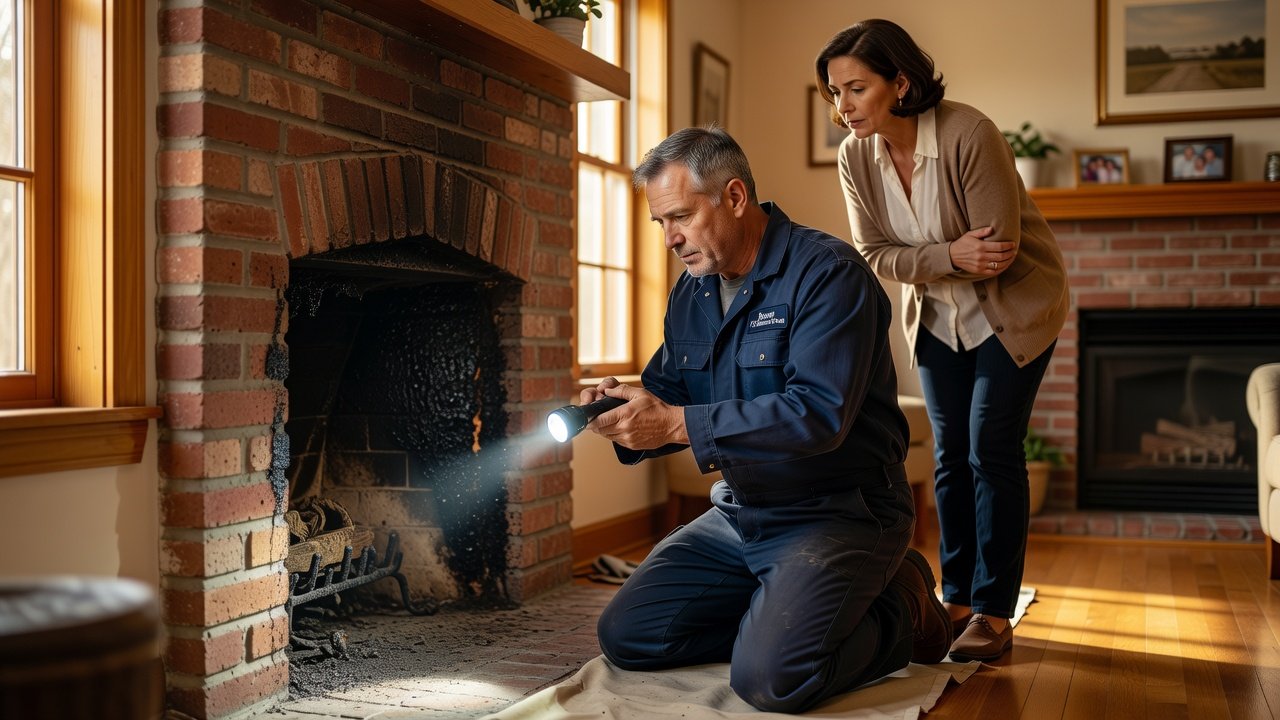
A chimney sweep removes deposits, while an inspection evaluates the system’s condition. These services may be offered together, but homeowners should confirm exactly what is included in the appointment.
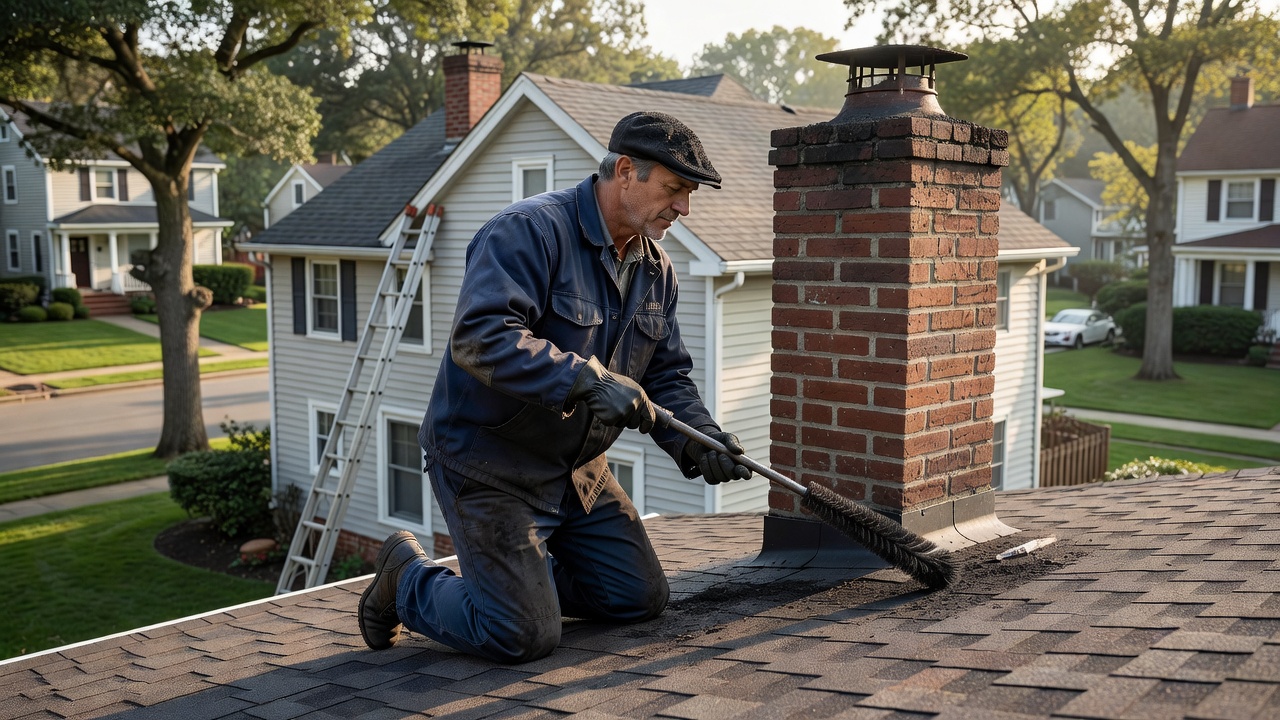
A standard visit may involve removing soot and creosote from the flue, checking accessible portions of the firebox and damper, and looking for obstructions or visible damage. The scope depends on the service purchased and the inspection level required.
A Level 2 inspection includes a more detailed examination of accessible areas and an internal video scan of the flue. It may be appropriate after a chimney fire, a change in the appliance or fuel, a property transfer, or suspected damage. A camera inspection is not automatically required for every routine cleaning.
Common mistake: Booking a cleaning without asking whether an inspection is included. Confirm the inspection level, the areas covered, and whether you will receive written findings.
How Much Does a Chimney Sweep Cost in Ridgewood, NJ?
The price depends on the work required. Costs can vary according to the number of flues, the chimney’s accessibility, the amount and condition of deposits, and whether additional inspection or repair work is needed.
A routine cleaning may cost less than a visit involving heavy creosote buildup or a more detailed inspection. If a technician discovers a damaged liner, deteriorated masonry, or another defect, repairs will generally be quoted separately.
Rather than relying on a single advertised price, request a written estimate that explains the scope of service. Ask whether the price includes cleaning, a Level 1 inspection, any camera scanning, and cleanup.
Common mistake: Choosing a company based only on the lowest advertised price. Compare what each estimate includes before making a decision.
What Is Creosote, and Why Does It Matter?
Creosote is a combustible deposit produced by burning wood. It can accumulate inside the flue and contribute to chimney fires if it is not removed when necessary.
Creosote can appear as loose, flaky deposits or as harder, sticky, or glazed material. The condition of the deposits affects how difficult they are to remove. Standard brushing may be suitable for ordinary deposits, while hard or glazed buildup may require specialized mechanical methods or professional treatment.
Burning properly seasoned wood and operating the appliance according to the manufacturer’s instructions can help reduce conditions that contribute to creosote buildup. However, these practices do not eliminate the need for inspection.
Common mistake: Assuming every deposit can be removed with ordinary brushing or that a particular amount of use guarantees a certain level of buildup. A qualified professional should assess the actual condition.
What Should I Look for When Choosing a Chimney Sweep?
Check qualifications, experience, and the scope of service before hiring. CSIA certification is a useful credential to look for when comparing chimney professionals. Homeowners should also ask about insurance, relevant experience, and whether the technician performing the work holds the advertised qualifications.
Confirm whether the appointment includes an inspection and whether the company provides written documentation of any problems found. If a technician recommends a major repair, ask for an explanation and supporting photographs or video when appropriate.
Common mistake: Assuming every company advertising chimney cleaning provides the same level of service. Confirm the inspection process and the qualifications of the person who will perform the work.
Can Chimney Cleaning Logs Replace a Professional Sweep?
No. Chimney cleaning logs do not replace professional inspection or cleaning. Some products are designed to alter certain creosote deposits, but they do not eliminate the need to remove hazardous material or evaluate the chimney’s condition.
The CSIA specifically states that creosote sweeping logs do not replace professional cleaning and inspection. A qualified professional can determine whether mechanical cleaning or additional treatment is appropriate for the deposits present.
A cleaning log also cannot identify a cracked liner, damaged damper, animal blockage, or deteriorating masonry.
Common mistake: Using a cleaning product as a substitute for a professional appointment. Follow the product instructions, but continue to arrange the inspections and cleaning your chimney needs.
When Is the Best Time to Schedule a Chimney Sweep in Ridgewood?
Spring, summer, and early fall can all be practical times to arrange service. Spring gives homeowners an opportunity to assess the chimney after the heating season. Summer can provide time to arrange repairs, while early fall allows homeowners to prepare before regular fireplace use resumes.
Availability varies by company and season, so booking ahead can provide more flexibility. However, there is no universal date by which every chimney must be cleaned. The appropriate work depends on the inspection findings and how the system is used.
If you missed the usual scheduling window, do not assume you should skip maintenance. Arrange an inspection before using a chimney that has not been assessed or that may have a safety problem.
Common mistake: Waiting until the first cold night to schedule service. If the inspection identifies a problem, you may need additional time to arrange repairs.
What Should I Expect After a Chimney Sweep Visit?
You should understand what was inspected, what was cleaned, and whether any problems were found. Ask the company what documentation it provides and whether photographs are available for defects that need attention.
A professional cleaning should include reasonable measures to protect the work area and control soot and dust. If the technician identifies a cracked flue tile, damaged crown, blocked passage, or faulty damper, ask for the finding to be documented and explained.
A written report is useful because it gives you a record of the chimney’s condition and any recommended next steps. Confirm the report’s scope and whether further inspection is needed before approving repairs.
Common mistake: Accepting a vague verbal statement that everything looks fine without understanding what was actually inspected. Ask questions if a finding or recommendation is unclear.
What Happens If I Ignore Chimney Maintenance for Several Years?
Delayed maintenance can allow some problems to remain undetected or worsen. Creosote may accumulate, moisture can contribute to masonry deterioration, and animals or debris may obstruct the flue. A damaged liner can also affect the safe containment of combustion gases.
The CSIA identifies annual professional inspection and necessary cleaning or repairs as important steps in preventing chimney fires and carbon monoxide hazards.
Not every neglected chimney will have serious damage, and the cost of future repairs cannot be predicted from the number of years since the last appointment alone. An inspection establishes the actual condition and helps determine what work is needed.
Common mistake: Assuming a chimney is safe because it worked normally the last time you used it. Some defects cannot be seen from the firebox or from outside the house.
Does a Gas Fireplace Need Annual Inspection?
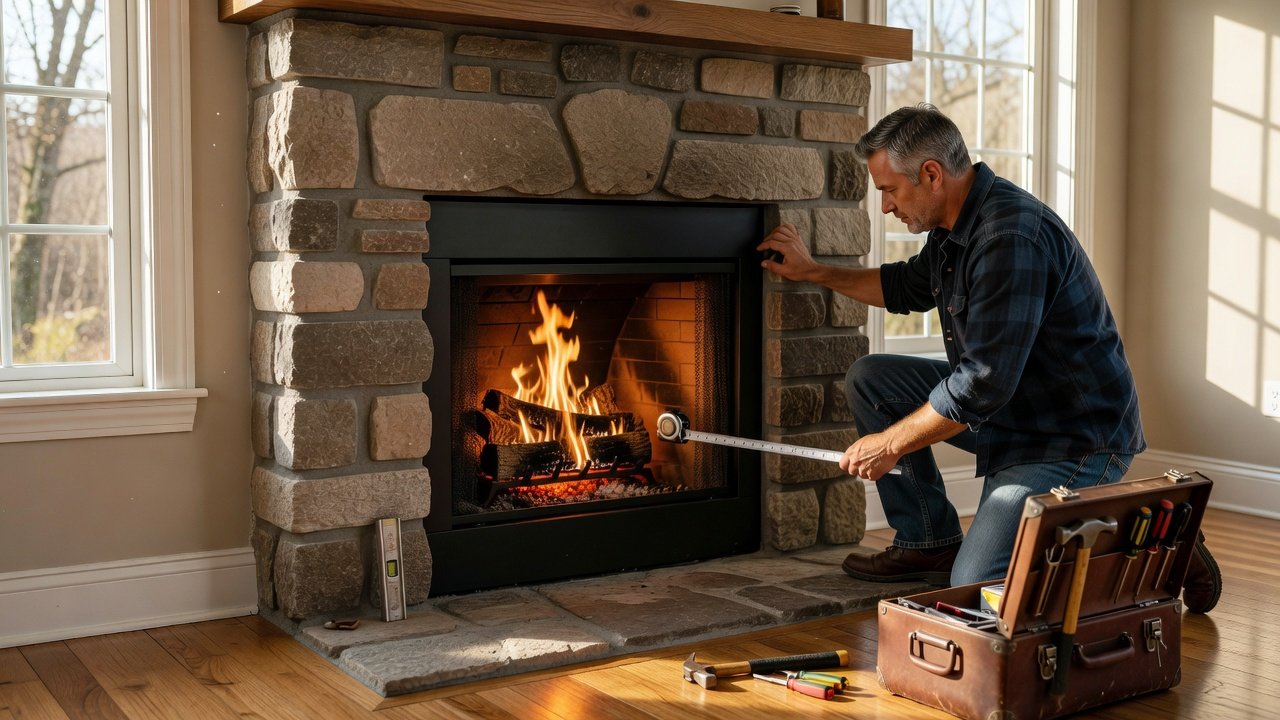
Yes, vented gas fireplace systems also need appropriate inspection and maintenance. Although gas appliances generally do not produce the same creosote deposits as wood-burning fireplaces, their vents can still become obstructed or develop damage.
A professional can assess the accessible venting system for blockages, deterioration, and other conditions that may interfere with proper operation. Follow the appliance manufacturer’s maintenance instructions and confirm which components are included in the inspection.
Carbon monoxide is a potential hazard associated with faulty fuel-burning equipment or venting. Install and maintain carbon monoxide alarms according to applicable requirements and the manufacturer’s instructions.
Common mistake: Assuming a gas fireplace needs no maintenance because it produces less creosote. The appropriate inspection and servicing still matter.
Schedule a Chimney Inspection in Ridgewood, NJ
If your chimney has not been inspected in the past year, or you have noticed signs of damage or a possible blockage, consider arranging a professional assessment before using the fireplace again.
Ridgewood Chimney advertises chimney inspections, cleaning, and repair services in Ridgewood, NJ, and nearby communities. Its website also offers estimates. Before booking, confirm the service scope, whether a written inspection report is included, and whether the appointment has a fee.
Visit Ridgewood Chimney to review its current service information and contact details.
Regular inspection, appropriate cleaning, and timely repairs can help homeowners understand their chimney’s condition and make informed decisions about maintenance.
Related from Ridgewood Chimney: Chimney Sweep Cleaning Repair Ridgewood NJ in Glen Rock · Chimney Repair in Ridgewood, NJ
Our services
Chimney Repair in Ridgewood · Chimney Repair in Ridgewood, NJ · Chimney Repair in Ridgewood, NJ · Chimney Repair in Ridgewood, NJ · Chimney Repair in Ridgewood, NJ · Chimney Repair in Ridgewood
Areas we serve
Ridgewood, NJ · Ridgewood, NJ · Ridgewood, NJ · Ridgewood, NJ · Paramus, NJ · Ridgewood, NJ · Ridgewood, NJ · All areas →