Fireplace Insert Installation in Ridgewood, NJ: How to Hire the Right Contractor Before Winter Locks In
Most homeowners start thinking about a fireplace insert in October, when the first cold snap hits and the old masonry fireplace feel more like a draft than a heat source. By then, the best installers in Bergen County may already be booked two to three weeks out, and any scheduling flexibility you had in August is gone. If you’re planning to add a gas, wood, or electric insert to your Ridgewood home, the timing of your decision matters almost as much as who you hire. This guide will help you find the right contractor instead of simply hiring whoever is available first.
Why Fireplace Insert Installation Deserves Serious Vetting
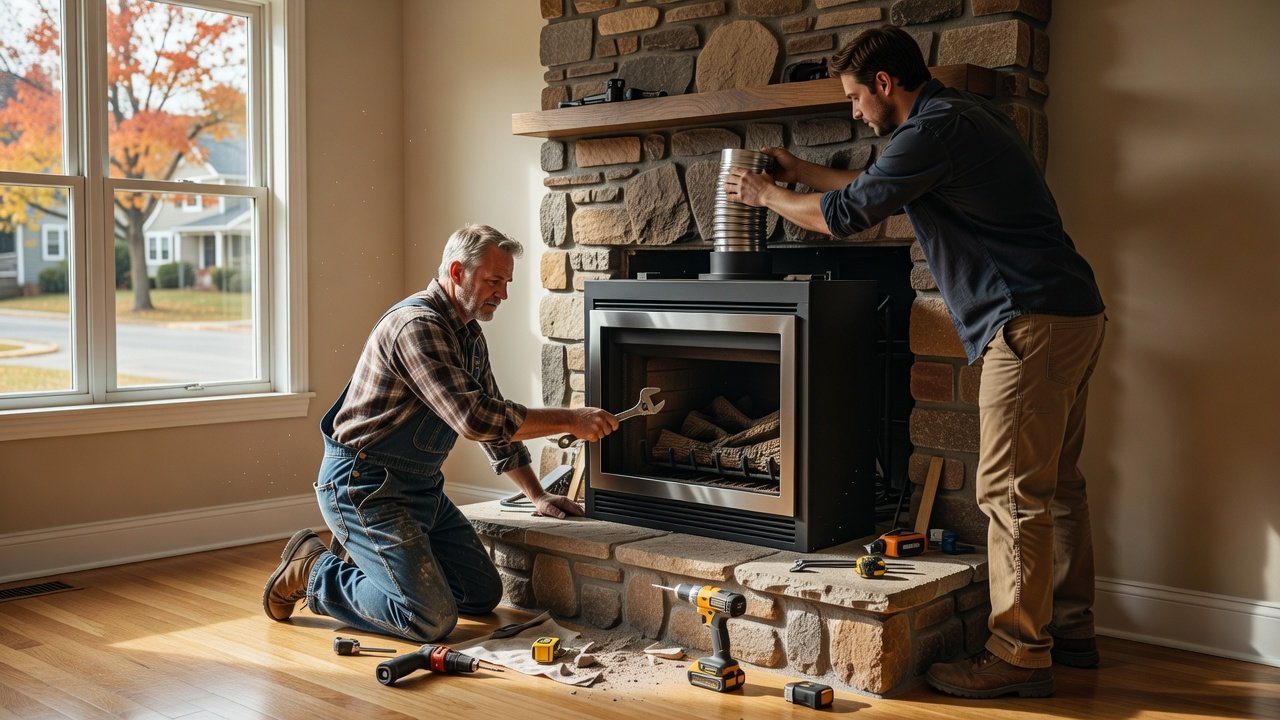
A fireplace insert is not a plug-and-play appliance. Installation can involve modifying an existing masonry or factory-built firebox, installing or relining the flue, and, in the case of a gas insert, coordinating the installation with the home’s gas supply.
NFPA 211 governs chimney and venting system requirements in the United States, while New Jersey follows adopted building and mechanical codes that affect how appliances connect to existing chimney and venting systems. An insert installed without the proper liner, clearances, or required permits can create safety and compliance problems. It may also complicate an insurance claim or a future home sale if the installation was not completed according to applicable requirements.
That’s why the contractor you choose matters. The lowest initial quote is not necessarily the lowest-cost installation if important components are left out or problems appear later.
The Certifications That Matter
Two credentials worth asking about are CSIA and NFI certification.
A Chimney Safety Institute of America Certified Chimney Sweep has demonstrated knowledge of chimney systems, venting, and related safety requirements. The National Fireplace Institute offers separate credentials for hearth product professionals, including technicians who work with gas, wood, and pellet appliances.
For a fireplace insert installation, appliance-specific experience matters. Ask whether the person performing the installation has the appropriate training for the type of insert you’re purchasing.
You should also verify that the contractor carries general liability insurance and workers’ compensation coverage in New Jersey. Ask to see proof of insurance rather than relying solely on a verbal assurance.
Five Questions to Ask Before You Sign Anything
These aren’t complicated questions. They are practical questions that can help you understand exactly what you’re paying for.
1. What liner system do you recommend for my flue, and why?
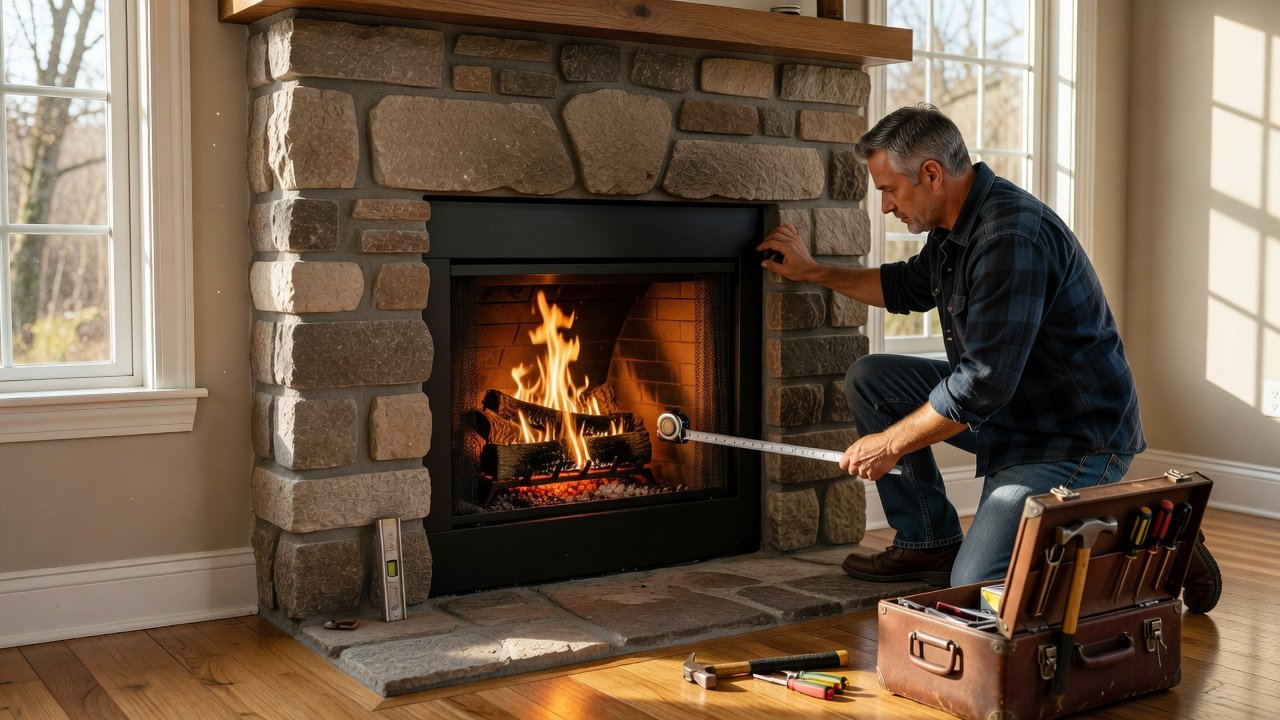
The answer should be based on your chimney dimensions, the appliance being installed, and the manufacturer’s installation requirements. A quality installer should measure the existing system before recommending a liner.
Be cautious of a contractor who immediately recommends the same liner package for every fireplace without first inspecting the chimney.
2. Will you pull the required permits?
Ask which permits are required for your specific installation and whether the contractor will handle the permit process.
Gas appliance installations can involve local construction requirements, so a contractor who dismisses permits without checking the requirements deserves additional scrutiny.
3. How will you handle the surround and trim?
The surround and trim need to look finished while also meeting applicable clearance requirements.
Ask how the installer will address the existing fireplace opening, surrounding materials, and clearances once the insert is in place. This is one area where experienced installers can make a noticeable difference in both appearance and safety.
4. Do you inspect the chimney before providing a final quote?
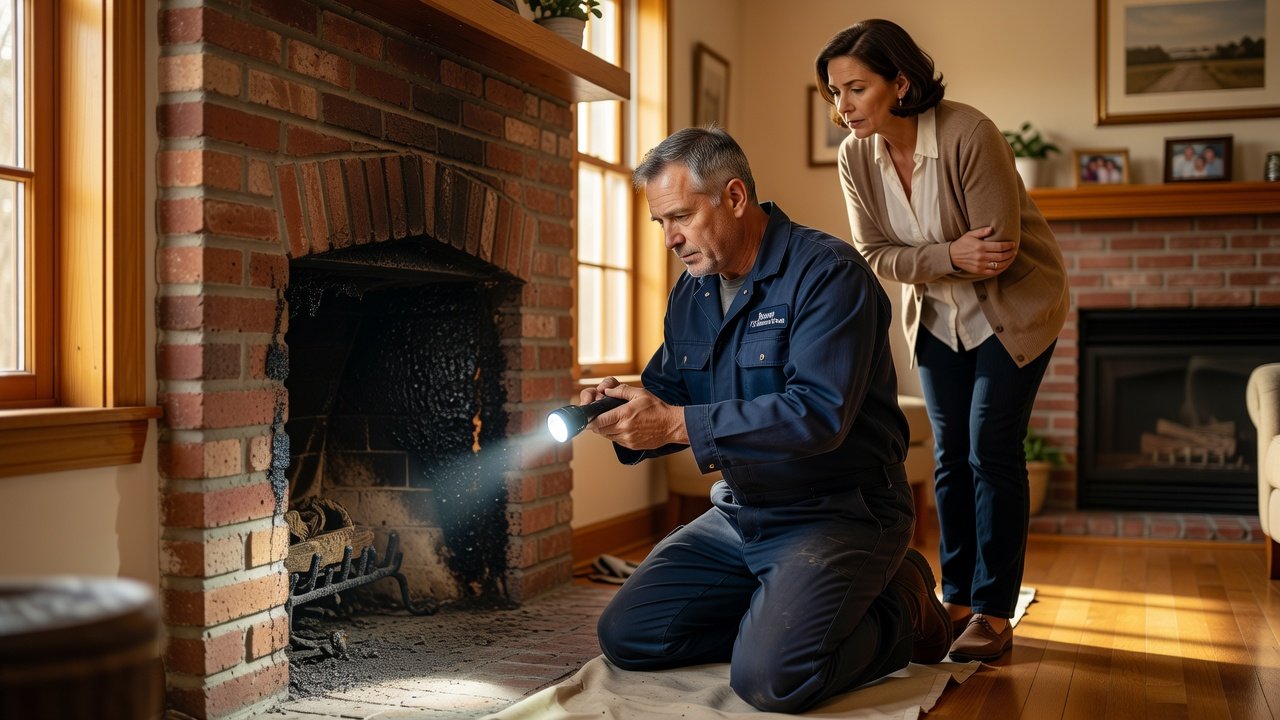
The contractor should inspect the existing firebox, chimney, flue dimensions, and accessible components before giving you a final installation price.
A contractor who provides a firm quote over the phone without seeing the fireplace may have to change that price once the actual installation begins.
5. What warranty coverage applies, and who handles service calls?
Ask which portions of the installation are covered by the manufacturer’s warranty and which are covered by the contractor.
Some hearth appliance warranties have specific installation requirements. Understanding who is responsible for future service before you pay a deposit can prevent confusion later.
Red Flags That Signal a Bad Contractor
Several warning signs can appear when you’re comparing fireplace insert installers in Ridgewood, Mahwah, Glen Rock, Westwood, and surrounding Bergen County communities.
Be cautious of contractors who provide a quote without identifying the insert model or liner system. A very low bid may also leave out important components such as the liner, permits, chimney preparation, or installation materials.
Ask whether the quote includes everything required to complete the installation. If one contractor’s price is substantially lower than everyone else’s, find out what is missing before assuming you’ve found a better deal.
You should also be cautious of contractors who pressure you to make an immediate decision because of “limited availability.” Fall is a busy season for chimney and fireplace companies, but a reputable contractor should still give you enough information to compare your options.
How to Compare Fireplace Insert Quotes
Fireplace insert installation in northern New Jersey can vary considerably depending on the appliance, liner requirements, chimney condition, and installation complexity. A reasonable project may fall somewhere between $3,000 and $7,500, while gas insert installations with full stainless steel liner systems in Bergen County can run approximately $4,500 to $7,000.
Wood inserts may have different equipment and labor costs. Electric inserts generally require a simpler installation but provide a different type of heating performance.
When comparing estimates, make sure each contractor is quoting the same scope of work.
Your written estimate should clearly identify:
- The fireplace insert and model
- The liner system
- Installation labor
- Surround and trim
- Required permits
- Chimney preparation
- Any necessary masonry or firebox work
- Cleanup
- Warranty information
A quote that appears $800 cheaper may simply exclude the liner or permit costs.
Product availability should also be considered. During the busy September through November period, distributor lead times can add several weeks to an installation. Booking earlier gives you more time to select the right appliance and address any chimney repairs before winter.
Why Booking Earlier Makes Sense
The cost of waiting isn’t always measured in dollars.
If you wait until late fall to begin the process, you may find that the contractor you want is booked through the beginning of winter. If the chimney inspection reveals a damaged liner, deteriorated masonry, or another issue, that repair can add even more time to the project.
Starting in July, August, or September gives you more time to inspect the existing system, compare installation quotes, select an appliance, order equipment, and complete any necessary repairs.
An open masonry fireplace can also provide less heating efficiency than many homeowners expect. A properly selected and installed insert can change how the fireplace contributes to the home’s heating system.
The goal isn’t to rush into an installation. It’s to give yourself enough time to make an informed decision before cold weather arrives.
Frequently Asked Questions About Fireplace Insert Installation in Ridgewood, NJ
1. How much does fireplace insert installation cost in Ridgewood, NJ?
Fireplace insert installation in Bergen County can vary depending on the appliance, chimney condition, liner requirements, and installation complexity. A typical project may cost around $3,000 to $7,500, while gas insert installations with a full stainless steel liner system may run approximately $4,500 to $7,000.
2. Do I need a chimney inspection before installing a fireplace insert?
Yes. The existing firebox, chimney, flue dimensions, and accessible components should be evaluated before the installer provides a final recommendation or quote. This helps determine whether the chimney needs a new liner, repairs, or other preparation before the insert is installed.
3. Do fireplace insert installations require permits in Ridgewood?
Permit requirements depend on the type of insert and the applicable local requirements. Ask the contractor which permits apply to your project and whether they will handle the permit process as part of the installation.
4. What type of chimney liner does a fireplace insert need?
The appropriate liner depends on the insert model, chimney dimensions, existing flue, and manufacturer’s installation requirements. A qualified installer should inspect and measure the existing system before recommending a liner rather than using the same configuration for every fireplace.
5. When should I schedule fireplace insert installation in Ridgewood?
July through September can be a practical time to begin the process because it gives you time to inspect the chimney, compare contractors, select an appliance, and complete repairs before winter. Waiting until October or November may mean longer contractor and equipment lead times during the busy heating season.
Choose the Right Fireplace Insert Installer in Ridgewood
Ridgewood Chimney serves homeowners throughout Ridgewood, Glen Rock, Wyckoff, Ho-Ho-Kus, and surrounding Bergen County communities.
Our team includes CSIA-certified chimney professionals who inspect the existing chimney system before recommending an insert. That’s important because every fireplace and flue has different dimensions, conditions, and installation requirements.
If you’re considering a fireplace insert this heating season, contact Ridgewood Chimney for an on-site inspection. We’ll assess your existing fireplace, explain what the installation involves, discuss the appropriate liner options, and provide a written quote so you know what you’re paying for before the work begins.
Related from Ridgewood Chimney: Chimney Cap Installation in Ridgewood, NJ · Fireplace Cleaning in Ridgewood, NJ · Chimney Sweep Cleaning Repair Ridgewood NJ in Glen Rock
Our services
Reliable Chimney Care in Anaheim · Reliable Chimney Care in Aliso Viejo · Chimney Repair in Fair Lawn · Chimney Repair in Ridgewood, NJ · Chimney Repair in Ridgewood · Chimney Repair in Ridgewood, NJ
Areas we serve
Ridgewood, NJ · Ridgewood, NJ · Ridgewood, NJ · Ridgewood, NJ · Paramus, NJ · Ridgewood, NJ · Ridgewood, NJ · All areas →