Chimney Inspection in Glen Rock, NJ: 5 Myths That Could Put Your Home at Risk
Stop guessing about the condition of your chimney. Many Glen Rock homeowners, along with their neighbors throughout Bergen County, unknowingly rely on outdated advice and common misconceptions about chimney maintenance. Before you light your first fire this season, take a few minutes to understand what a professional chimney inspection involves and why annual inspections are one of the most important steps you can take to protect your home.
Before You Start: What Every Glen Rock Homeowner Should Know
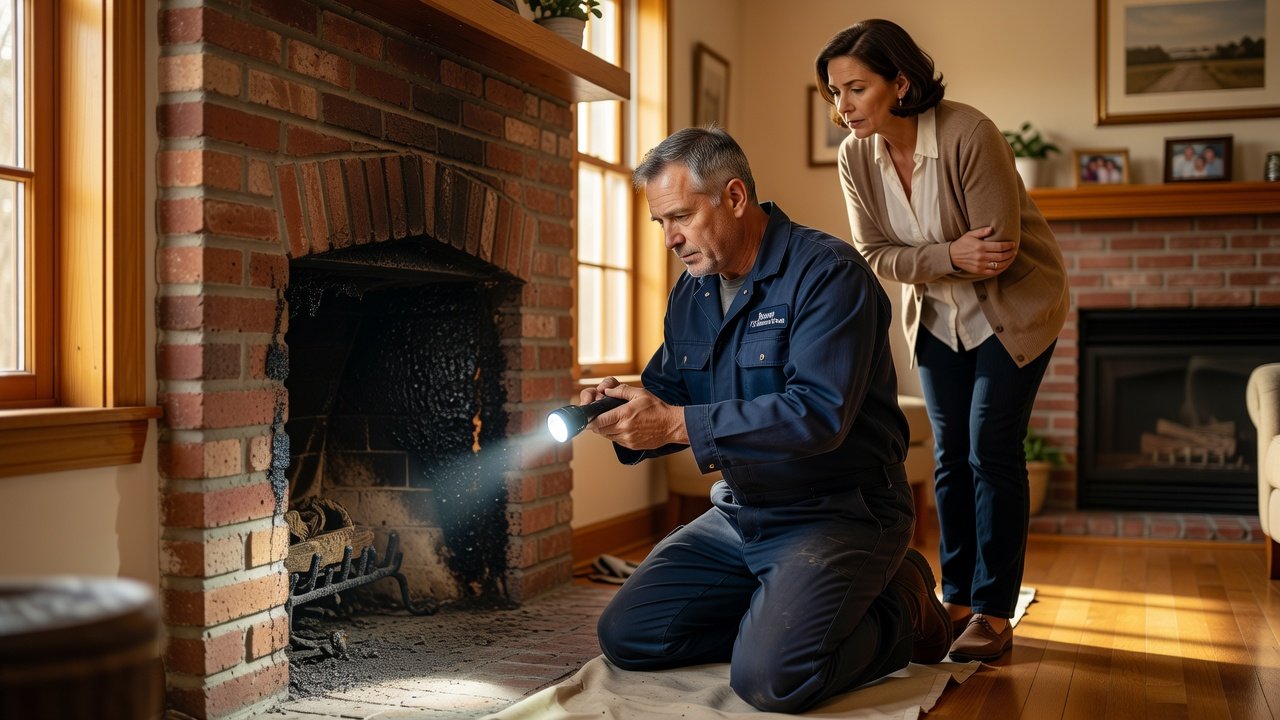
A chimney inspection is an important part of routine home maintenance. According to NFPA 211, chimneys, fireplaces, vents, and solid fuel burning appliances should be inspected at least once each year. The Chimney Safety Institute of America (CSIA) also recommends annual inspections to help identify conditions such as creosote buildup, water intrusion, damaged liners, and structural deterioration before they become more serious problems.
Many homes throughout Glen Rock, Ridgewood, Fair Lawn, Wyckoff, and Ho Ho Kus feature older masonry chimneys that have endured decades of New Jersey’s freeze thaw cycles. Those seasonal weather changes can gradually weaken brick, mortar joints, chimney crowns, and clay tile liners, making routine inspections especially important.
Before your appointment, gather the following information:
- Your previous chimney inspection report, if available.
- The approximate age of your fireplace or chimney.
- Any recent concerns such as odors, smoke entering the room, visible staining, or poor draft.
- Information about any heating appliances connected to the chimney.
Myth 1: “I Hardly Used My Fireplace, So I Don’t Need an Inspection”
One of the most common misconceptions is that an unused chimney stays in good condition.
Even if you did not burn a single fire last winter, moisture can enter the chimney, animals can build nests inside the flue, and masonry can deteriorate because of seasonal weather exposure.
A professional inspection evaluates far more than creosote buildup. It also checks for:
- Animal nests and debris.
- Water intrusion.
- Damaged chimney caps and crowns.
- Cracked clay tile liners.
- Deteriorated mortar joints.
- Structural damage caused by freeze thaw cycles.
Scheduling an annual inspection before the heating season helps identify these issues before they become larger repairs.
Myth 2: “I Can Tell If My Chimney Has a Problem”
Most chimney problems develop where homeowners cannot safely see them.
Hairline cracks inside a chimney liner, deteriorated mortar joints, hidden water damage, and heavy glazed creosote often require specialized inspection equipment to identify.
NFPA 211 recognizes three inspection levels:
| Inspection Level | Purpose | Typical Use |
|---|---|---|
| Level 1 | Visual inspection of readily accessible components | Annual maintenance under normal operating conditions |
| Level 2 | Includes accessible concealed areas and may include video scanning | Home purchases, chimney fires, appliance changes, or suspected damage |
| Level 3 | Required when concealed hazards must be investigated | Significant structural concerns |
For most Glen Rock homeowners maintaining an existing fireplace, a Level 1 inspection is appropriate. A Level 2 inspection may be recommended after purchasing a home, changing appliances, or whenever hidden damage is suspected.
Myth 3: “My Home Inspector Already Looked at the Chimney”
A general home inspection is not the same as a professional chimney inspection.
Home inspectors evaluate many parts of a property, but they typically do not perform a comprehensive inspection of the chimney liner, venting system, or creosote accumulation.
When hiring a chimney company, consider asking:
- Are your technicians certified by the Chimney Safety Institute of America?
- Does your company carry liability insurance?
- Will I receive a written inspection report?
Professional documentation provides a valuable record of your chimney’s condition and helps guide future maintenance.
Myth 4: “I’ll Wait Until Something Goes Wrong”
Waiting until you notice visible damage often results in more extensive repairs.
Typical price ranges in Bergen County include:
| Service | Typical Cost |
| Level 1 Inspection | $150 to $250 |
| Level 2 Inspection | $250 to $450 |
| Chimney Cleaning | $150 to $300 |
| Chimney Cap Installation | $200 to $400 |
| Chimney Crown Repair | $500 to $1,500 |
| Stainless Steel Chimney Relining | $2,500 to $7,000 |
| Chimney Rebuild | $3,000 and up |
Actual pricing varies based on chimney height, accessibility, materials, and the scope of repairs.
Addressing small maintenance issues early can often help prevent larger structural repairs later.
Myth 5: “Cleaning My Fireplace Means My Chimney Is Clean”
Cleaning ash from the firebox is only one small part of chimney maintenance.
The chimney flue extends through the house and above the roofline, where soot, creosote, moisture, and debris accumulate over time.
Creosote generally develops in three stages:
- Stage 1: Light, flaky deposits that are relatively easy to remove.
- Stage 2: Harder, tar-like deposits requiring specialized equipment.
- Stage 3: Heavy glazed creosote that is highly combustible and often requires specialized removal techniques.
Professional chimney sweeping removes these deposits while allowing the technician to inspect the chimney for damage.
What Happens During a Professional Chimney Inspection?
A professional chimney inspection typically includes:
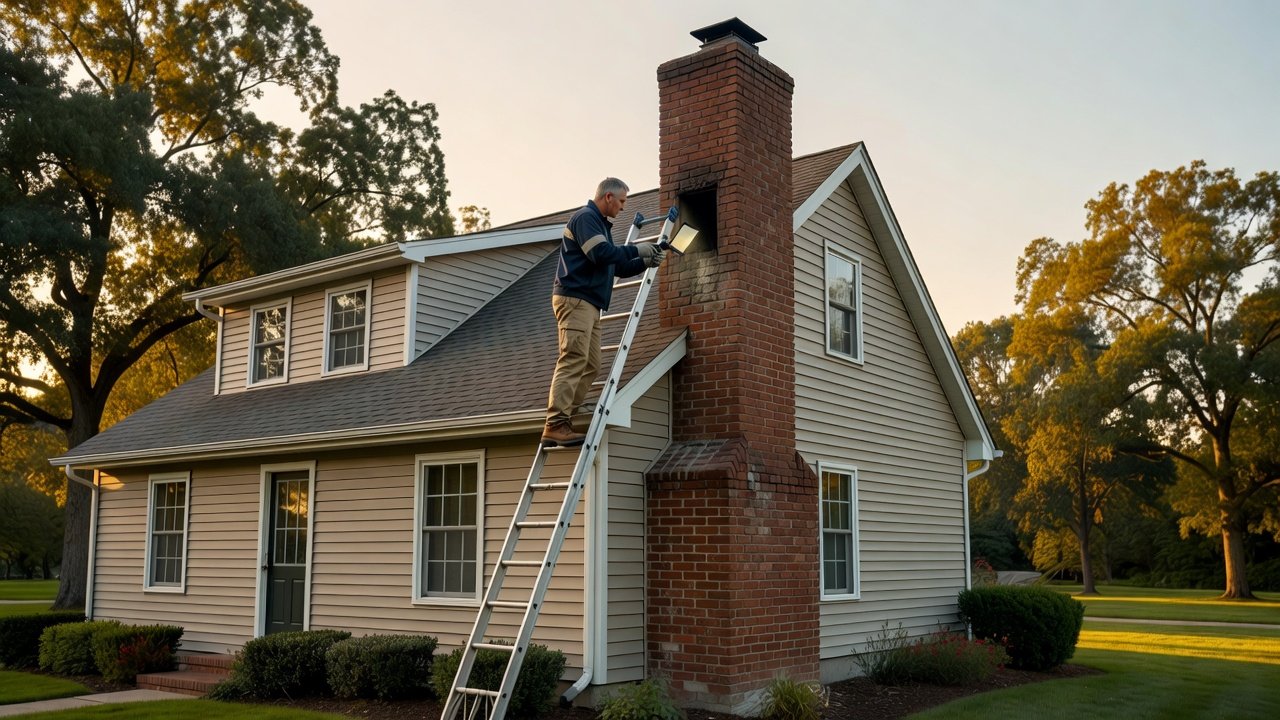
- Inspection of the chimney exterior, brickwork, mortar joints, crown, flashing, and chimney cap.
- Evaluation of the fireplace, firebox, smoke chamber, damper, and accessible portions of the flue.
- Inspection of the chimney liner for signs of deterioration or blockage.
- Documentation of findings with written notes and photographs when appropriate.
- Recommendations for maintenance or repairs based on the inspection findings.
Most Level 1 inspections take approximately one to one and a half hours, depending on the chimney’s condition.
Review Your Inspection Report
After the inspection, review the report carefully.
Recommended repairs generally fall into three categories:
- Immediate safety concerns that should be addressed before using the fireplace.
- Preventive maintenance that helps extend the life of the chimney.
- Conditions that should be monitored during future inspections.
Keeping inspection reports with your home maintenance records provides a helpful history of your chimney’s condition over time.
If You Receive Different Repair Estimates
It is common for homeowners to receive different recommendations from different companies.
When comparing estimates, look for:
- A detailed written inspection report.
- Clear photographs documenting any damage.
- Itemized repair recommendations.
- Explanations of why repairs are recommended.
- Proof of insurance and professional certifications.
If recommendations differ significantly, obtaining a second opinion from another qualified chimney professional is reasonable.
Schedule Your Chimney Inspection in Glen Rock, NJ
Ridgewood Chimney proudly serves homeowners throughout Glen Rock, Ridgewood, Fair Lawn, Wyckoff, Ho Ho Kus, Paramus, Park Ridge, and surrounding Bergen County communities.
Whether you need an annual chimney inspection, chimney sweeping, chimney repair, chimney cap installation, or masonry restoration, our experienced technicians provide honest assessments, detailed inspection reports, and quality workmanship.
Contact Ridgewood Chimney today to schedule your chimney inspection and prepare your fireplace for a safe heating season.
Related: Irvington Chimney Sweep
Our services
Reliable Chimney Care in Costa Mesa · Reliable Chimney Care in Anaheim · Reliable Chimney Care in Aliso Viejo · Chimney Repair in Ridgewood, NJ · Chimney Repair in Ridgewood, NJ · Chimney Repair in Ridgewood, NJ
Areas we serve
Ridgewood, NJ · Ridgewood, NJ · Ridgewood, NJ · Ridgewood, NJ · Ridgewood, NJ · Ridgewood, NJ · All areas →