Chimney Repair Ridgewood NJ: Warning Signs Homeowners Should Know
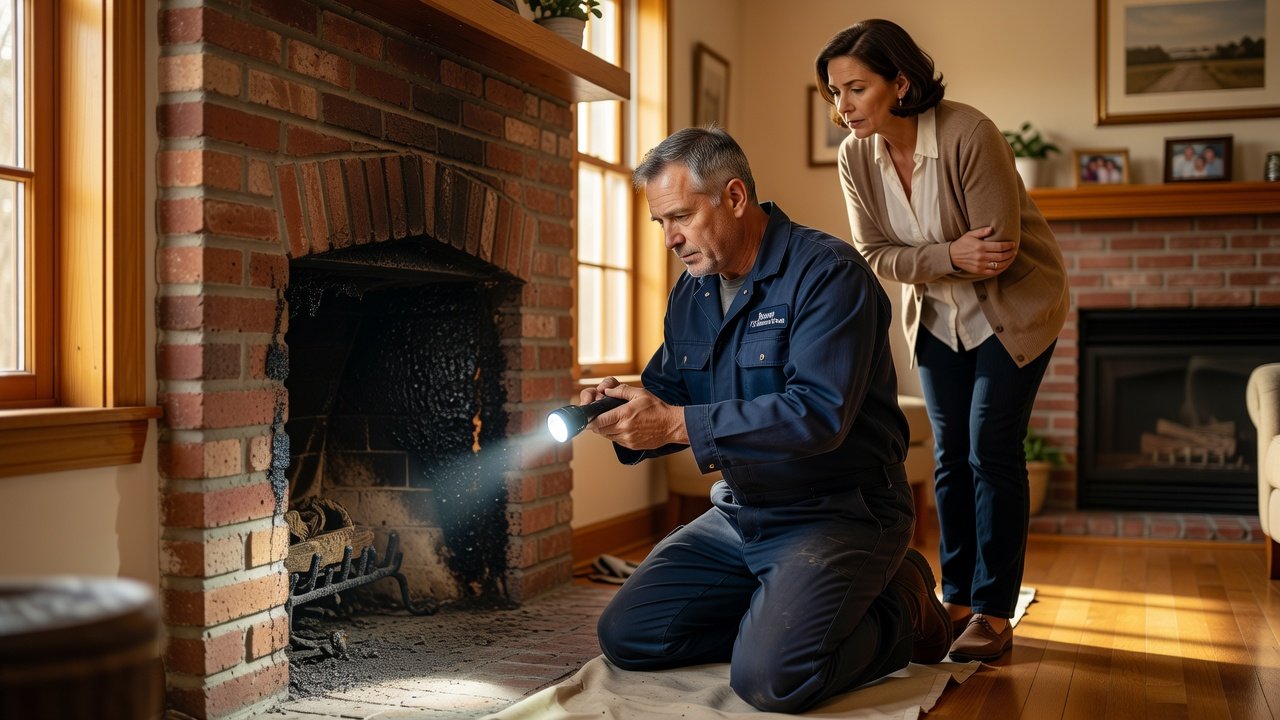
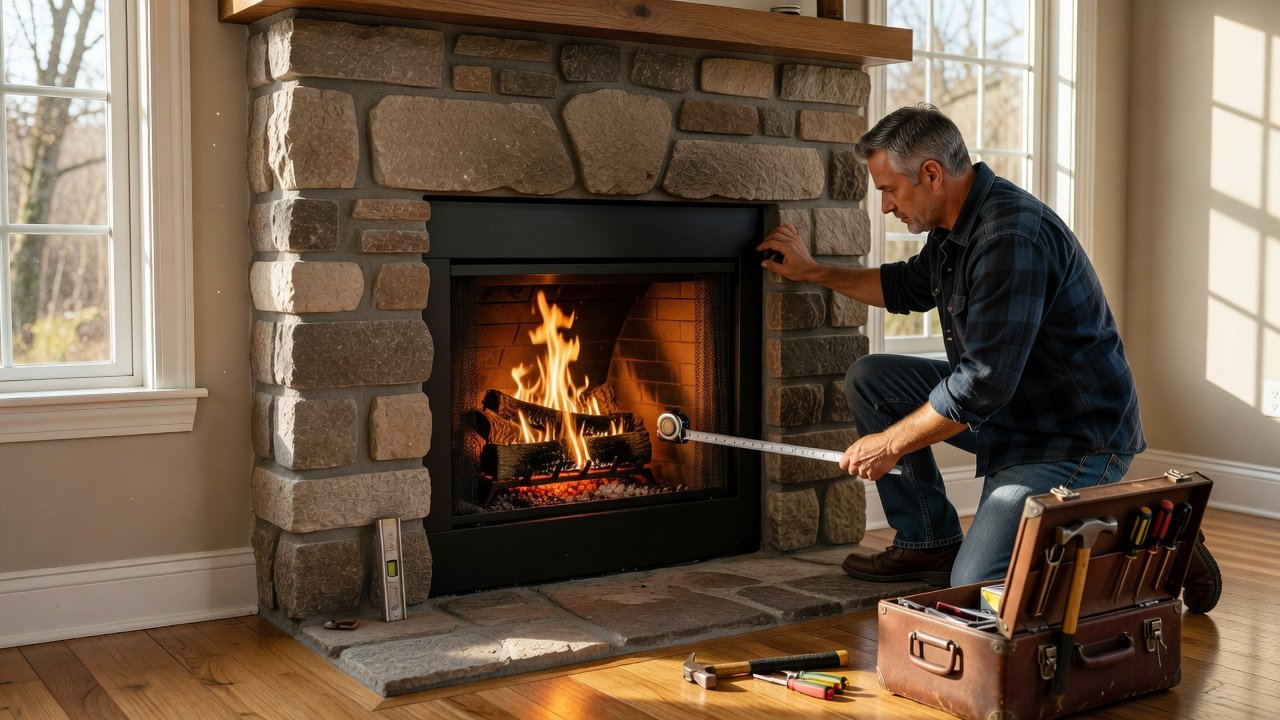
Chimney problems do not always announce themselves with a dramatic failure. Homeowners may first notice deteriorating masonry, staining, unusual odors, rust, or smoke entering the room. Some issues can indicate water intrusion or deterioration, while others may point to a problem with the fireplace or venting system. Knowing which signs deserve professional attention can help homeowners in Ridgewood, Allendale, and nearby Bergen County communities address problems before they become more extensive.
Why Chimney Maintenance Matters
Chimneys are exposed to weather while also handling combustion products from fireplaces and other appliances. Over time, masonry, crowns, caps, flashing, liners, and other components can deteriorate.
CSIA recommends that chimneys, fireplaces, and vents be inspected at least once a year. Cleaning, maintenance, and repairs should be performed when necessary.
Regular inspection does not mean that every visible imperfection requires major repair. The purpose is to identify conditions that could affect the chimney’s performance or durability and determine what, if anything, needs to be addressed.
Warning Signs to Watch For
White Staining on the Brick
White or chalky deposits on masonry are commonly known as efflorescence. They can occur when moisture moves through masonry and leaves soluble salts behind as it evaporates.
Efflorescence does not by itself establish the exact source or severity of a moisture problem. However, noticeable staining can be a reason to have the masonry evaluated, particularly when it appears alongside cracking, deterioration, or other evidence of water intrusion.
A professional can assess the chimney’s masonry, crown, cap, flashing, and other potential moisture-entry points before recommending a repair.
Crumbling or Deteriorated Mortar
Look for mortar joints that appear deteriorated, recessed, cracked, or missing.
Damaged mortar can allow moisture to penetrate the masonry and may become more extensive over time. Repointing, sometimes called tuckpointing, may be appropriate when mortar deterioration is localized.
The repair method should be based on the existing masonry and the extent of deterioration. Homeowners should not assume that every chimney needs the same mortar product or repair technique.
Chipped or Spalled Brick
Brick spalling occurs when portions of the brick face break away. It can be associated with moisture exposure and repeated freezing and thawing, among other causes.
Pieces of brick around the chimney or roof area should not simply be treated as cosmetic debris. A professional should determine whether the damage is limited to individual masonry units or indicates a broader deterioration problem.
The appropriate repair may involve replacing damaged masonry or addressing the source of moisture that contributed to the deterioration.
Cracks or Deterioration at the Chimney Crown
The crown helps protect the top of a masonry chimney from water intrusion. Cracks or deterioration can provide pathways for moisture to enter the chimney structure.
Do not rely on an arbitrary crack-width measurement to determine whether a crown needs repair. Even relatively small defects should be considered in the context of the crown’s overall condition, drainage, construction, and exposure.
A professional can determine whether the crown needs maintenance, localized repair, or more extensive reconstruction.
Rust on the Damper or Firebox
Rust can be a sign that moisture is entering the fireplace or chimney system, but rust alone does not identify the source.
Possible sources can include moisture entering through the chimney top, crown, cap, flashing, or other components. The condition of the damper should also be evaluated if it is difficult to operate or visibly deteriorated.
A damper that does not operate properly can affect fireplace operation and draft. If the fireplace is producing unusual smoke or combustion problems, stop using it until the system has been evaluated.
Smoke Entering the Room
Smoke entering the living space during normal fireplace operation should not be ignored.
Possible causes include an obstruction, inadequate draft, an improperly positioned damper, appliance problems, or other conditions affecting the venting system.
Stop using the fireplace and have it evaluated by a qualified professional rather than attempting to diagnose the cause from inside the firebox.
Combustion appliances can produce carbon monoxide. EPA warns that blocked or improperly functioning venting systems can allow combustion gases to enter living spaces. Working carbon monoxide alarms should be installed according to applicable safety guidance.
Persistent Chimney Odors
A chimney can sometimes produce noticeable odors when it is not being used, particularly when deposits or moisture are present.
However, odor alone cannot establish that a chimney has excessive creosote or identify a specific problem. If a persistent or unusual odor develops, especially alongside visible deposits, moisture, or fireplace-performance problems, an inspection can help determine the cause.
Homeowners should not assume that an odor automatically means the chimney needs a particular type of cleaning.
A Visible Gap Around the Chimney
A visible separation between a chimney and the surrounding building materials deserves attention.
However, a gap does not automatically prove that the foundation or chimney footing has failed. Settlement, flashing, masonry deterioration, siding movement, or other construction conditions can produce different types of separation.
A qualified contractor should evaluate the area and determine whether the problem involves masonry, the roof connection, the building structure, or another component.
How Much Does Chimney Repair Cost?
There is no dependable single price for chimney repair in Ridgewood or Allendale.
The cost depends on the type and extent of damage, chimney dimensions, materials, accessibility, repair method, and whether additional components need attention. Repointing a limited section of masonry is a very different project from rebuilding a crown, replacing extensive masonry, or relining a flue.
Homeowners should be cautious with articles that present fixed local prices as if they apply to every chimney. A written estimate should identify the actual problem, recommended repair, materials, and scope of work.
If a contractor recommends an expensive repair, ask what evidence supports the recommendation. Photos or other documentation can be useful when they accurately show the condition being discussed.
When Should You Schedule an Inspection?
An annual inspection is a useful baseline for chimney maintenance. CSIA recommends inspecting chimneys, fireplaces, and vents at least once a year, with cleaning, maintenance, or repairs performed when needed.
You should also arrange an evaluation when you notice a significant change in fireplace operation or visible chimney condition.
Examples include:
- Smoke entering the home
- Visible masonry deterioration
- Suspected chimney or flue damage
- Significant water intrusion
- A damaged or missing chimney cap
- A suspected chimney fire
- A change in appliance or fuel type
- A chimney that has undergone significant repair or modification
A Level 2 inspection may be appropriate under certain circumstances, including some appliance or fuel changes, property transfer, relining, or events that may have damaged the chimney. It is not automatically required for every chimney problem.
How to Choose a Chimney Repair Contractor
Start by verifying relevant credentials. CSIA provides a public directory that homeowners can use to verify CSIA credentials.
Ask the contractor to explain the condition they found and why the proposed repair is appropriate. If the recommendation involves a significant repair, ask whether the contractor can provide documentation showing the affected area.
Get the scope of work in writing before authorizing repairs. The estimate should distinguish between inspection, cleaning, repair, and any additional services.
Be cautious about contractors who use pressure tactics or recommend extensive work without explaining what they found.
Don’t Wait for a Major Chimney Problem
The first warning sign of chimney deterioration is not always dramatic. White staining, damaged masonry, crown deterioration, rust, smoke problems, or water intrusion can all justify a closer look.
For homeowners in Ridgewood, Allendale, and nearby Bergen County communities, annual inspection provides a practical way to monitor the condition of the chimney. When a problem is found, addressing the actual source can be more useful than simply replacing the most visible component.
A qualified chimney professional can determine whether your chimney needs cleaning, maintenance, repair, or further inspection. The goal is not to repair everything at once. It is to understand the condition of the system and address the problems that genuinely require attention.
Related from Ridgewood Chimney: Chimney Sweep Cleaning Repair Ridgewood NJ in Glen Rock · Chimney Repair in Ridgewood, NJ — Know What to Check Before Winter Hit
Our services
Reliable Chimney Care in Laguna · Reliable Chimney Care in Irvine · Reliable Chimney Care in Huntington Beach · Reliable Chimney Care in Garden Grove · Reliable Chimney Care in Fountain Valley · Reliable Chimney Care in Fullerton
Areas we serve
Ridgewood, NJ · Ridgewood, NJ · Ridgewood, NJ · Ridgewood, NJ · Paramus, NJ · Ridgewood, NJ · Ridgewood, NJ · All areas →