Your Glen Rock Chimney Is Telling You It Needs Creosote Removal — Here’s How to Listen
Creosote doesn’t announce itself. It builds up quietly through every fire you burn, and by the time most Glen Rock homeowners notice something is wrong, the hazard has been sitting in their flue for months. The National Fire Protection Association reports that creosote accumulation is the leading cause of chimney fires in the United States, and Bergen County sees its share every winter. Knowing what to look for, and knowing who to call when you find it, can make the difference between a safe heating season and a very expensive emergency.
This post covers the observable warning signs that your chimney needs professional creosote removal now and how to choose a qualified contractor in Glen Rock and the surrounding area who will actually solve the problem rather than collect a check and disappear.
What Creosote Actually Is and Why Glen Rock Homes Accumulate It
When wood burns, gases travel up the flue. If the flue is cold, the wood is wet, or airflow is restricted, those gases cool before they fully exit and condense on the liner walls. That condensed residue is creosote.
It comes in three stages: a light, flaky deposit (Stage 1) that brushes out easily; a tar-like coating (Stage 2) that resists standard brushing; and a hardened, glazed crust (Stage 3) that requires chemical treatment and specialized tools to remove.
Glen Rock’s older housing stock, much of it built between the 1920s and 1960s, often features masonry fireplaces with original clay tile liners that are narrow by modern standards. Those proportions, combined with New Jersey’s cold shoulder seasons when homeowners burn small, low-heat fires to take the edge off, are exactly the conditions that accelerate Stage 2 and Stage 3 buildup.
A CSIA-certified sweep can tell you which stage you’re dealing with within the first few minutes of an inspection.
Warning Signs to Watch for and What Each One Means
A strong, oily smoke smell even when the fireplace isn’t in use. This is one of the clearest signals of Stage 2 or Stage 3 creosote. The tar-like deposits can release odors into the house on warm days or when your HVAC system creates negative pressure. Call a pro now. Don’t wait for the next burn.
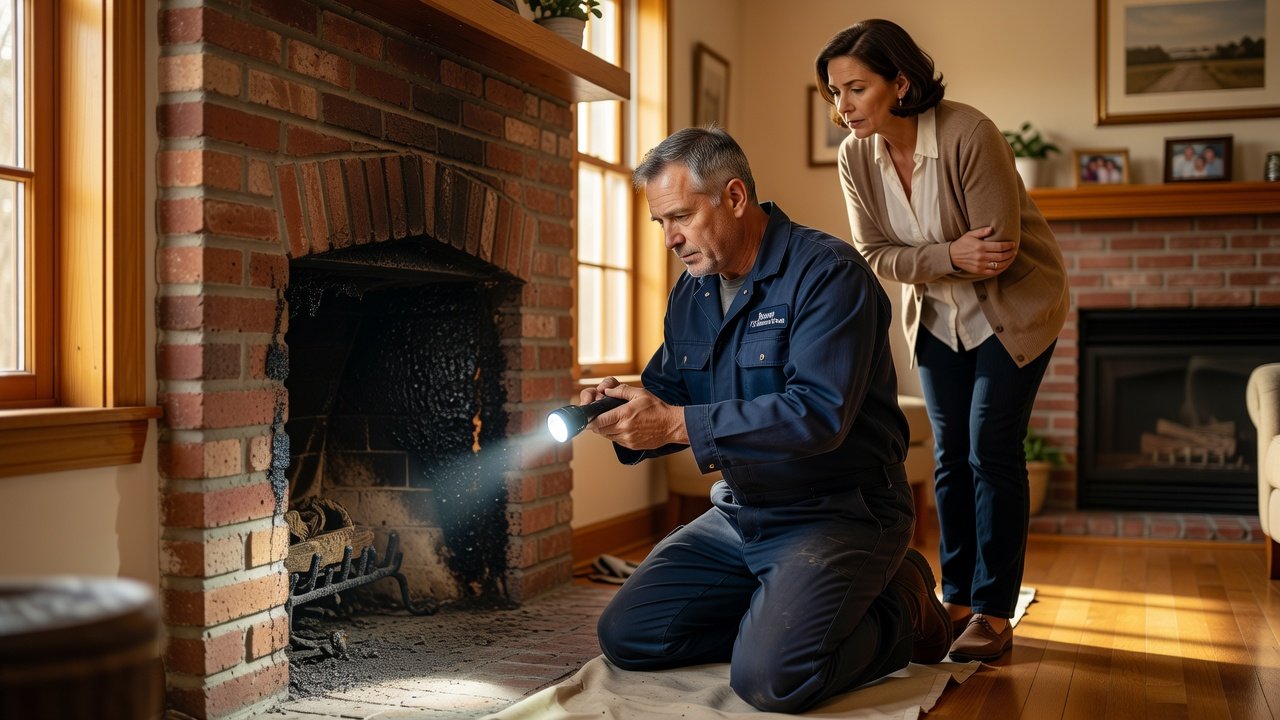
Black, oily staining on the damper or firebox walls. Run a finger along the inside edge of your damper. If it comes back dark and greasy rather than simply ashy, you may have creosote running down from the upper flue. This is something you can see and touch in under 60 seconds. Call a pro now.
A visible, shiny, or hardened crust inside the flue opening. If you shine a flashlight up the flue and the walls look glassy or almost lacquered, that is Stage 3 creosote. Standard wire brushes will not remove it. You need a contractor with chemical creosote removers and the training to use them safely. Call a pro now.
Smoke backing into the room during a fire, more than it used to. Restricted airflow caused by heavy deposits is one possible reason for this. Before assuming it’s a draft problem, have the flue interior examined. Keep an eye on it only if the event was a single occurrence with very wet wood. Otherwise, call now.
Flakes or granules of dark material falling into the firebox. This can be loose Stage 1 creosote dislodging from higher up the flue. It’s not necessarily an emergency on its own, but it tells you the flue may need cleaning. Schedule a cleaning before your next fire.
A rumbling or whooshing sound during a fire that you’ve never heard before. This can indicate a chimney fire. If you hear this, extinguish the fire if it is safe to do so, close the damper if appropriate, get everyone out, and call 911. After the fire department clears the scene, call a certified sweep before using the fireplace again.
Excessive smoke odor in upstairs rooms or near the second floor. Heavy creosote buildup can restrict the effective diameter of the flue. Gases that should exhaust cleanly can linger or find their way through gaps in the chimney system. If other rooms in your home smell smoky after a fire, have the flue inspected. Call a pro now.
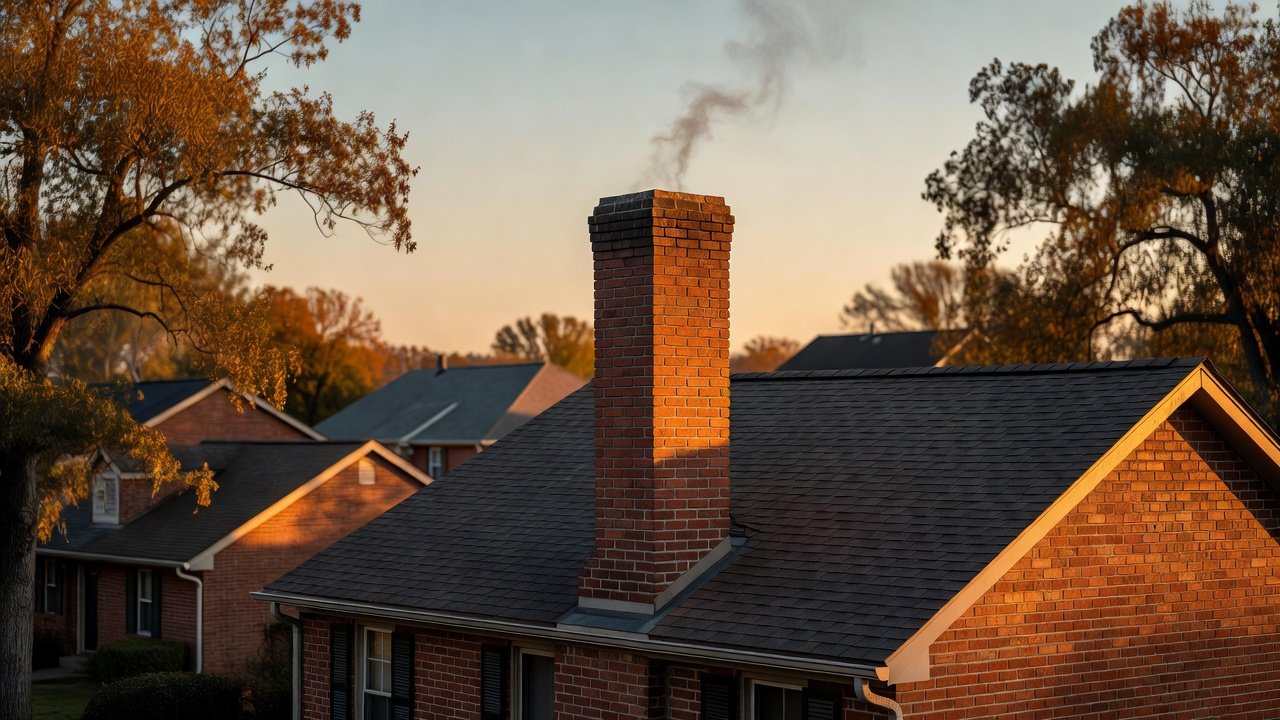
Visible deterioration of the mortar joints from the roofline. This one requires binoculars or a rooftop look, but deteriorating mortar can allow moisture into the chimney assembly, which can contribute to liner damage and other problems. Minor hairline cracks may warrant monitoring, but more significant deterioration requires professional assessment before you run another fire.
Choosing the Right Creosote Removal Contractor in Glen Rock
This is where homeowners in Ridgewood, Fair Lawn, Wyckoff, and Glen Rock itself can get burned, sometimes literally. The barrier to calling yourself a chimney sweep is low. No state license is required in New Jersey to sweep a chimney, which means the credential gap between qualified and unqualified contractors is real and consequential.
Ask for CSIA certification before you agree to anything. The Chimney Safety Institute of America certification requires passing a technical exam and maintaining continuing education. It’s one of the industry’s most recognized credentials.
A National Fireplace Institute (NFI) certification is also worth noting, particularly for contractors who work on fireplace systems and inserts. Ask to see the certification. A legitimate technician should be able to provide verification.
Red flags that should send you elsewhere include any contractor who quotes a full cleaning over the phone without asking about your chimney type, liner material, last cleaning date, or fuel source. A flat “$89 special” advertised on a flyer can be a warning sign for an upsell-focused operation.
A qualified sweep performing proper creosote removal in Bergen County should provide a range after asking relevant questions. For a straightforward Stage 1 cleaning, expect $175 to $250. Stage 2 removal with brushing and chemical application typically runs $300 to $450. Stage 3 glazed creosote removal is more involved and can reach $500 to $800 or more, depending on liner length and accessibility.
Ask whether the contractor carries liability insurance and workers’ compensation. Ask for a written scope of work before any money changes hands. Ask whether they will provide a Level 1 inspection in accordance with NFPA 211 as part of the service. This is the baseline inspection standard for annually used, unchanged systems, and a credible sweep should explain what inspection is included.
One question that can separate good contractors from the rest is: “What will you do if you find Stage 3 creosote?”
A sweep who says they’ll simply brush it out may be inexperienced or misleading you. Stage 3 requires a different approach. The honest answer involves chemical treatment, possibly a return visit, and a conversation about whether the liner needs repair or relining afterward.
Schedule Your Free Creosote Inspection Before the Season Gets Away from You
Ridgewood Chimney serves Glen Rock and the surrounding Bergen County communities, including Ridgewood, Paramus, Ho-Ho-Kus, Waldwick, and beyond. Our technicians are CSIA-certified, fully insured, and will give you a straightforward answer about what your flue needs, not what generates the most add-ons.
If any of the warning signs above look familiar, contact us today for a free chimney inspection. We’ll assess your creosote level, walk you through exactly what the removal process involves, and give you a written estimate before any work begins.
Don’t start the burn season guessing.
Related from Ridgewood Chimney: Chimney Sweep Cleaning Repair Ridgewood NJ in Glen Rock
Our services
Reliable Chimney Care in Garden Grove · Reliable Chimney Care in Fountain Valley · Reliable Chimney Care in Fullerton · Reliable Chimney Care in Dana Point · Reliable Chimney Care in Cypress · Reliable Chimney Care in Costa Mesa
Areas we serve
Ridgewood, NJ · Ridgewood, NJ · Ridgewood, NJ · Ridgewood, NJ · Paramus, NJ · Ridgewood, NJ · Ridgewood, NJ · All areas →