Your Chimney Is Telling You Something: Are You Listening?
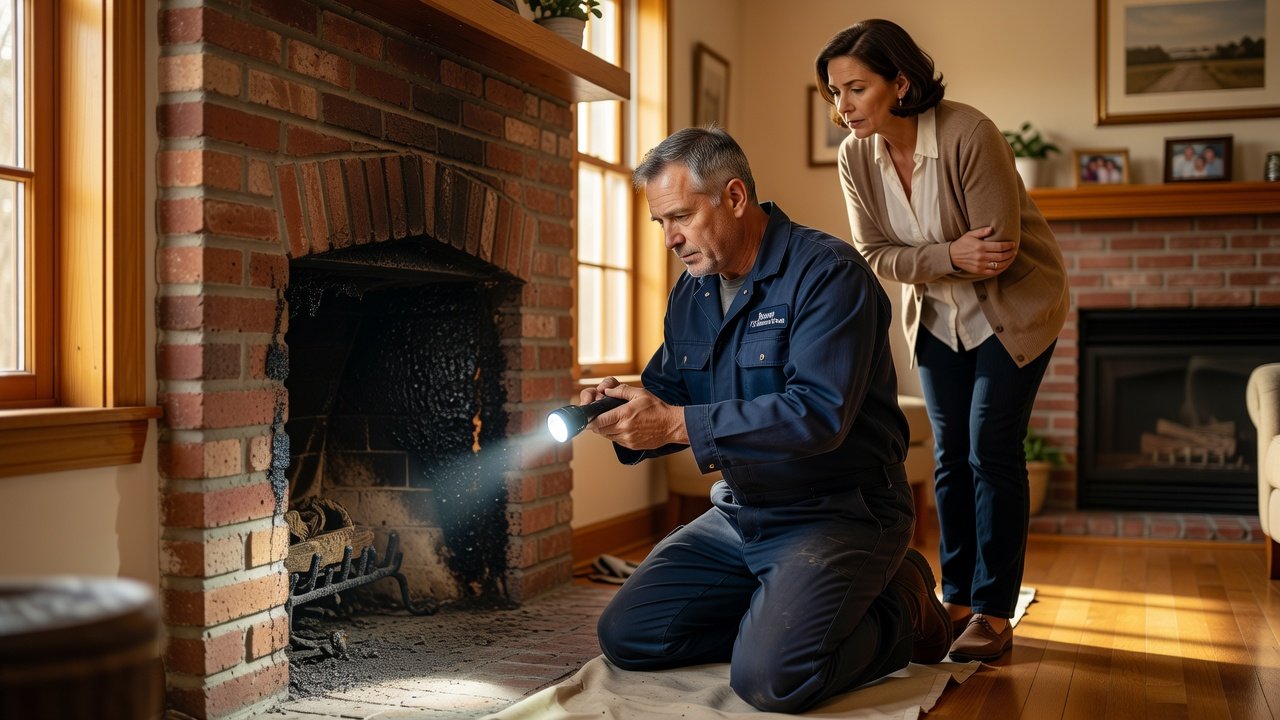
Most chimney damage in Oradell does not show up all at once. It can develop quietly through a winter or two while a homeowner assumes everything is fine because the fire lights and the smoke clears. By the time something obvious happens, such as a crack across the firebox, water staining the ceiling, or visible liner damage, the repair can be significantly more expensive than addressing the problem early. This post covers the observable signs that your chimney may need professional attention, the mistakes Oradell and Ridgewood homeowners commonly make when they notice those signs, and what you should expect from a legitimate chimney repair company serving Bergen County.
The Warning Signs Worth Taking Seriously
White Staining on the Exterior Brick
That chalky white residue, called efflorescence, occurs when water moves through masonry and carries dissolved minerals toward the surface. It is not necessarily a structural emergency, but it is a useful warning that moisture is moving through the chimney. Repeated moisture exposure combined with freeze thaw cycles can accelerate deterioration of brick and mortar.
Call a pro for an assessment. If efflorescence keeps returning or appears alongside cracked or deteriorated masonry, the chimney should be inspected before the damage progresses.
Mortar Joints That Look Recessed or Crumbled
Look closely at the mortar between the bricks from the ground. You can use binoculars if necessary. Mortar joints that appear deeply recessed, cracked, pitted, or crumbly may be deteriorating. Damaged mortar can allow additional water into the chimney and contribute to further masonry deterioration.
Call a pro for an assessment. A professional can determine whether the problem can be addressed with localized repointing or whether more extensive masonry work is necessary.
Spalling: Brick Faces Peeling or Popping Off
Spalling occurs when the outer face of a brick separates from the rest of the brick. You may find pieces of brick on the roof, in the gutters, or around the base of the chimney. Moisture entering porous masonry and repeated freezing and thawing are common contributors.
Once significant spalling develops, simply replacing individual pieces may not address the underlying problem. The chimney should be evaluated to determine how far the deterioration has progressed.
Call a pro now if bricks are loose, large sections are missing, or the chimney appears unstable.
A Chimney Cap That Is Missing, Cracked, or Rusted Through
The chimney cap helps keep rain, animals, leaves, and other debris out of the flue. If you can see from the ground that the cap is missing, severely damaged, leaning, or rusted through, the chimney is more exposed to weather and potential blockage.
This is often a relatively straightforward repair compared with major masonry restoration, but the correct cap must be sized for the chimney and properly secured.
Call a pro now if the cap is missing or visibly damaged. Avoid climbing onto the roof to inspect or replace it unless you have the appropriate equipment and experience.
Rust Inside the Firebox or on the Damper
Open the damper and look inside with a flashlight. Rust on the damper plate or rust streaking inside the firebox can indicate moisture entering the chimney system. A damper that is heavily corroded, stuck, or unable to open and close properly also needs attention because proper damper operation is important for fireplace draft and ventilation.
Minor surface rust on a functioning damper can usually be addressed during routine maintenance. If the damper will not open or close fully, schedule professional service before using the fireplace.
A Damaged or Visibly Cracked Chimney Crown
The chimney crown is the masonry or concrete surface that helps protect the top of the chimney around the flue opening. It is different from the chimney cap.
Cracks in the crown provide potential pathways for water to enter the masonry. Even relatively small cracks deserve attention because repeated moisture exposure and freeze thaw cycles can make them worse over time.
Call a pro if you can see significant cracking, crumbling, or missing sections. A professional can determine whether the crown can be repaired or needs more extensive restoration.
Smoke Backing Into the Room
If smoke enters the living space instead of drafting upward, something needs to be investigated. The cause can include a blocked flue, a closed or malfunctioning damper, chimney configuration, negative pressure in the home, insufficient draft, or structural problems.
Do not assume that smoke rollout is simply part of having an older fireplace. Combustion gases can accompany visible smoke, so persistent backdrafting should be treated seriously.
Stop using the fireplace and call a professional if smoke repeatedly enters the room during normal operation.
Water Stains on the Ceiling or Walls Near the Fireplace
Interior water staining near a chimney can indicate a flashing problem, crown deterioration, masonry damage, or another source of water intrusion. Homeowners sometimes assume the roof itself is responsible, but the chimney and roof interface is another common location for leaks.
The flashing is the metal system that helps seal the area where the chimney passes through the roof. A qualified chimney professional can inspect the chimney, crown, flashing, and surrounding masonry to help identify the likely entry point.
Call a pro now if you notice active leaks or recurring water stains around the chimney.
The Mistakes That Make Repairs More Expensive
The biggest mistake is waiting. A small masonry problem can become more extensive when moisture continues entering the chimney through multiple seasons. Addressing deteriorated mortar, damaged crowns, or missing chimney caps early can help prevent additional deterioration.
The second mistake is hiring someone without the appropriate chimney experience to perform the diagnostic work. CSIA certification can help homeowners identify technicians who have completed standardized chimney education and testing. A qualified chimney professional should be able to explain what they found, document significant problems, and distinguish routine maintenance from repairs that require immediate attention.
The third mistake is assuming that a general home inspection is the same as a chimney inspection. A home inspector may identify obvious exterior concerns, but a dedicated chimney inspection can provide a more detailed assessment of the chimney system. Depending on the circumstances, a more comprehensive inspection may be appropriate.
This is particularly important after purchasing an older home, changing the heating appliance, experiencing a chimney fire, or discovering symptoms that cannot be explained through a basic visual inspection.
What to Expect from a Repair Estimate in Bergen County
A legitimate chimney repair company should inspect the system before providing a detailed repair recommendation. Be cautious of contractors who provide a firm repair price over the phone without seeing the chimney.
A written estimate should identify the specific components involved, such as the crown, cap, flashing, liner, firebox, or mortar joints. It should also explain the proposed repair and identify materials or additional work that could affect the final price.
Repair costs vary significantly based on the size of the chimney, accessibility, materials, extent of deterioration, and type of repair required. Minor repointing can be substantially less expensive than extensive masonry restoration or liner replacement.
Minor repairs may be completed during one visit. Larger masonry projects can require multiple days and may involve additional preparation or curing time.
Get a Free Inspection Before the Problem Gets Bigger
Ridgewood Chimney serves Oradell and surrounding Bergen County communities, including Paramus, River Edge, Emerson, and Haworth. If you have noticed efflorescence, deteriorated mortar, spalling brick, water staining, smoke backup, or another warning sign, a professional assessment can help you understand what is actually happening before you approve repairs.
Contact Ridgewood Chimney to schedule an inspection. The goal is simple: identify the problem, explain what it means, and give you a clear understanding of what your chimney needs before a small issue becomes a much larger repair.
Related from Ridgewood Chimney: Chimney Repair in Ridgewood, NJ · Chimney Repair in Ridgewood, NJ · Chimney Sweep Cleaning Repair Ridgewood NJ in Glen Rock
Our services
Chimney Repair in Ridgewood · Chimney Repair in Ridgewood, NJ · Chimney Repair in Ridgewood, NJ · Chimney Repair in Ridgewood, NJ · Chimney Repair in Ridgewood, NJ · Chimney Repair in Ridgewood
Areas we serve
Ridgewood, NJ · Ridgewood, NJ · Ridgewood, NJ · Ridgewood, NJ · Paramus, NJ · Ridgewood, NJ · Ridgewood, NJ · All areas →